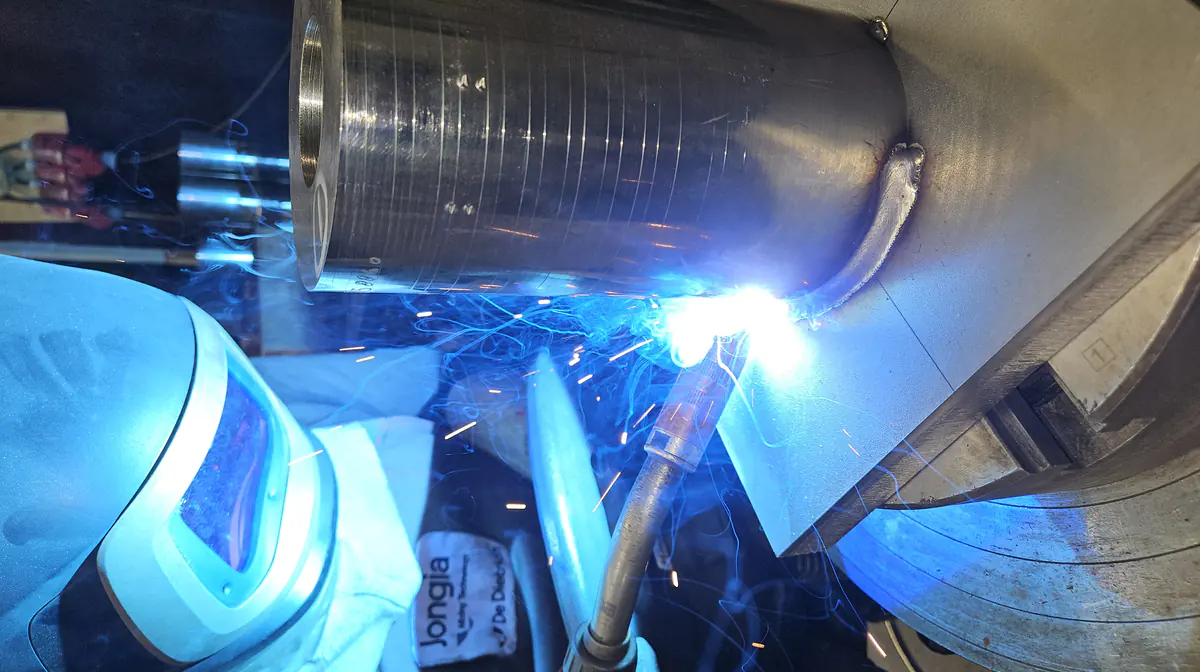
WPS versus WPQR: what is the difference?
WPS and WPQR are not the same document. Learn how the pWPS, the qualification record and the welding procedure specification relate under EN ISO 15614-1.
Read moreAnswers to the questions work planners, engineers and QC staff deal with every day. If your question is not listed, ask the Welding & Quality Assistant.
WPS and WPQR are not the same document. Learn how the pWPS, the qualification record and the welding procedure specification relate under EN ISO 15614-1.
Read more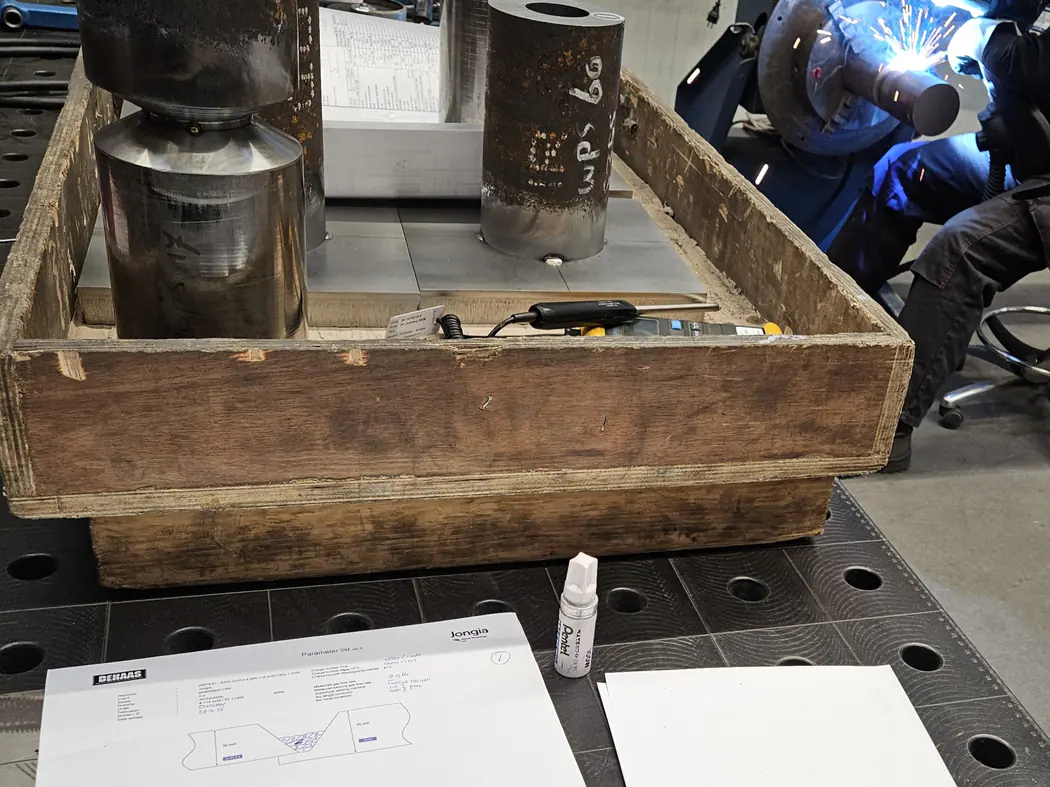
When is a WPQR mandatory? A practical overview of the requirements in EN 1090-2, ISO 3834, the PED and client specifications.
Read more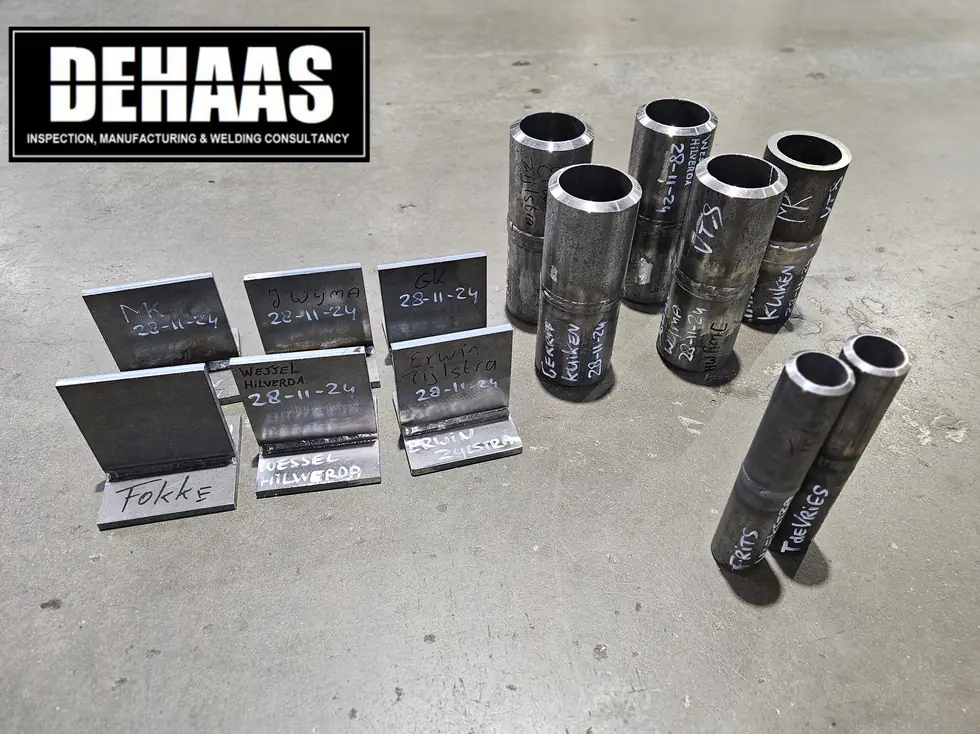
Is your existing WPQR valid for a new job? How to check material group, thickness, process, position and joint type against EN ISO 15614-1, step by step.
Read more
Writing a pWPS for a welding procedure qualification: the variables it must contain, where to source reliable values and the mistakes to avoid.
Read more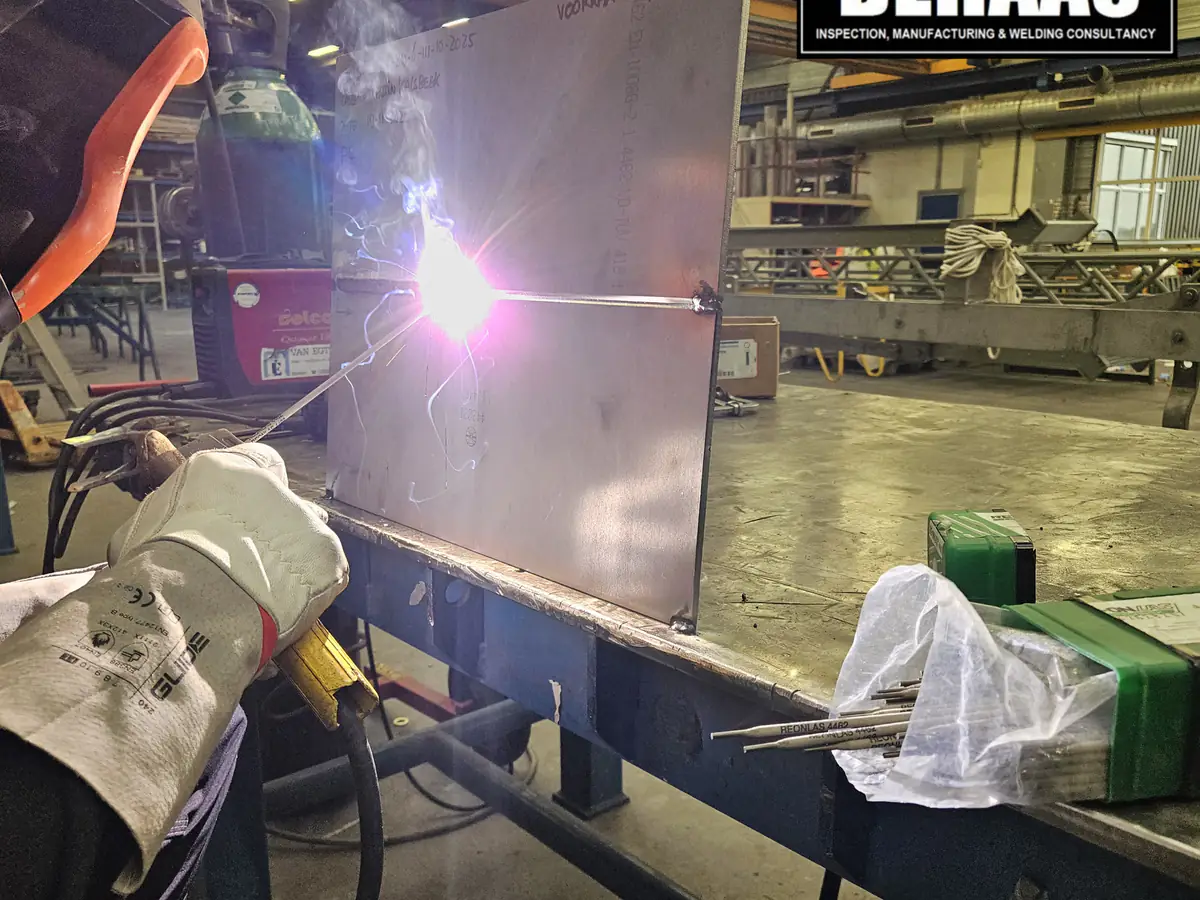
How welder qualification to ISO 9606-1 works: the structure of the standard, essential variables, ranges of qualification, test pieces and examination.
Read more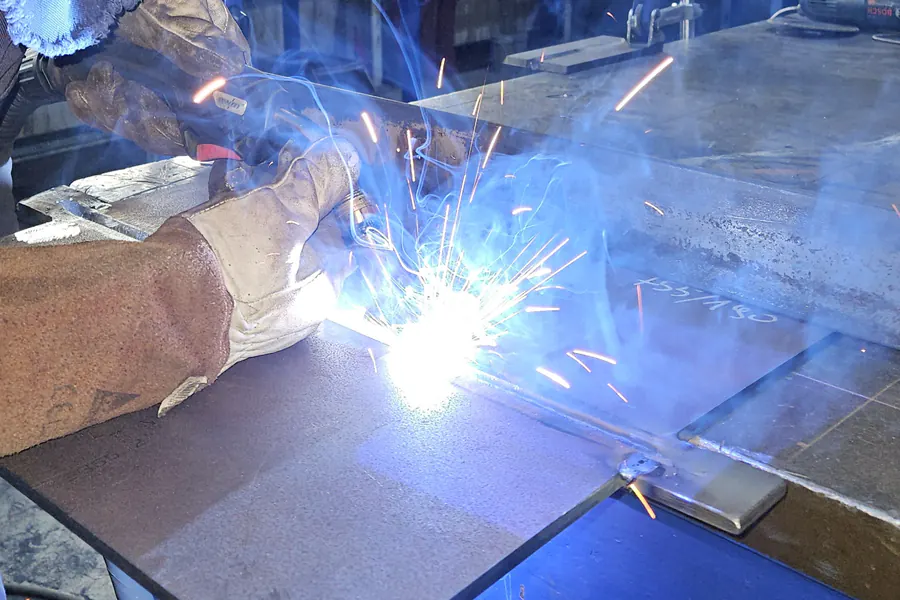
Validity and revalidation of welder qualifications under ISO 9606-1: the six-month confirmation and the three routes of clause 9.3 explained.
Read more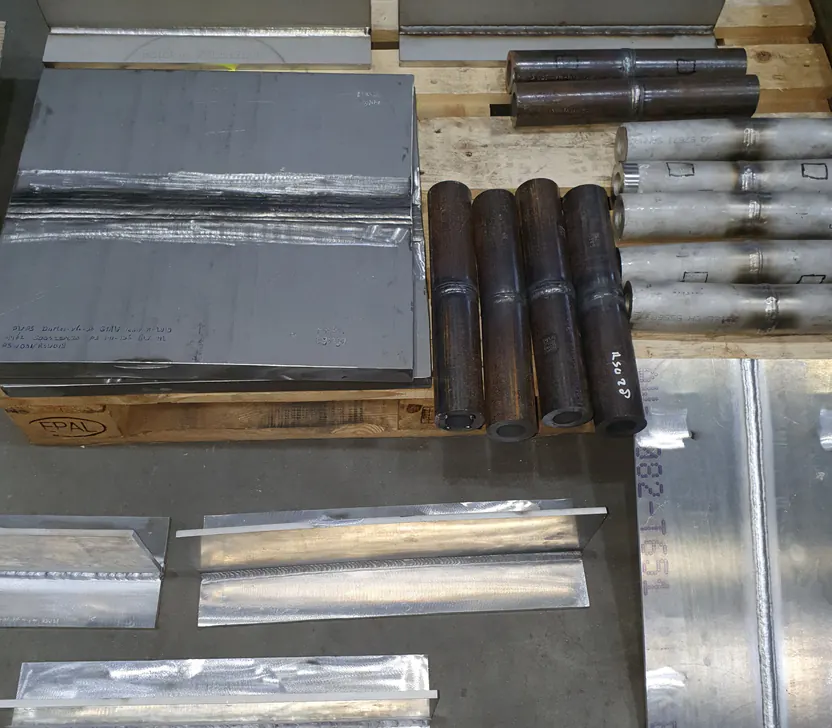
ASME IX or EN ISO 15614-1? The differences in structure (PQR, WPS, WPQ versus WPQR), variables, testing and qualification ranges, and when each applies.
Read more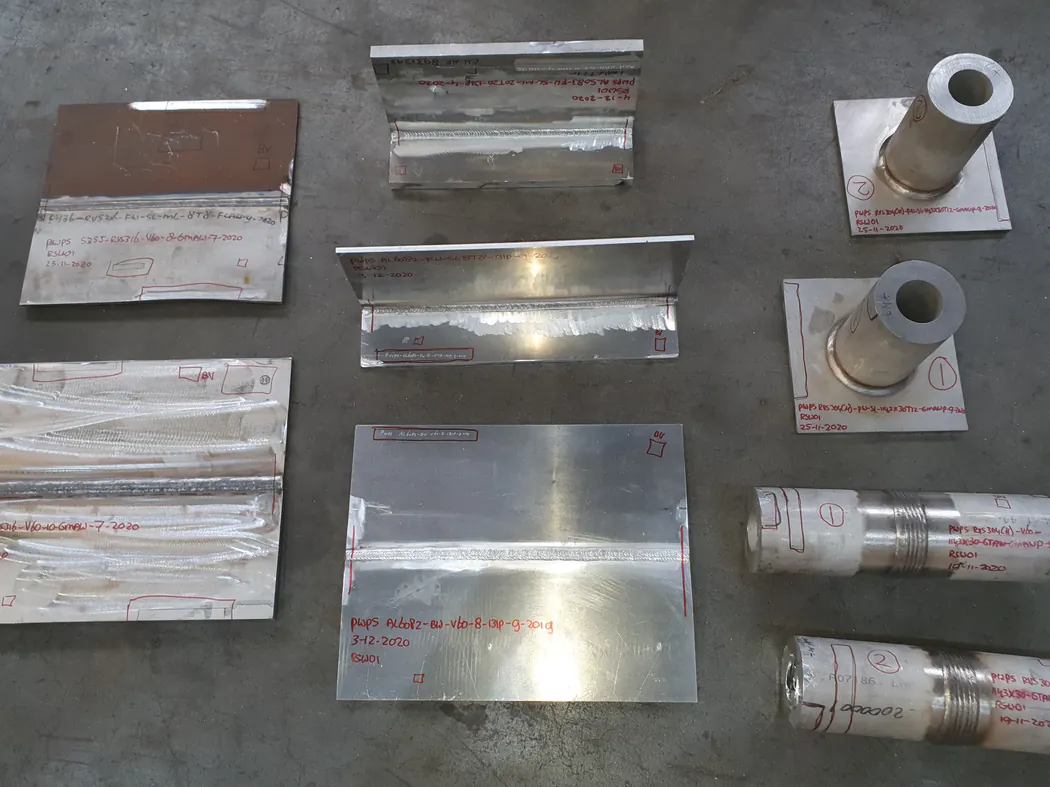
How does the qualification range for thickness and diameter work under EN ISO 15614-1? The tables explained, and choosing a test piece for a wide range.
Read more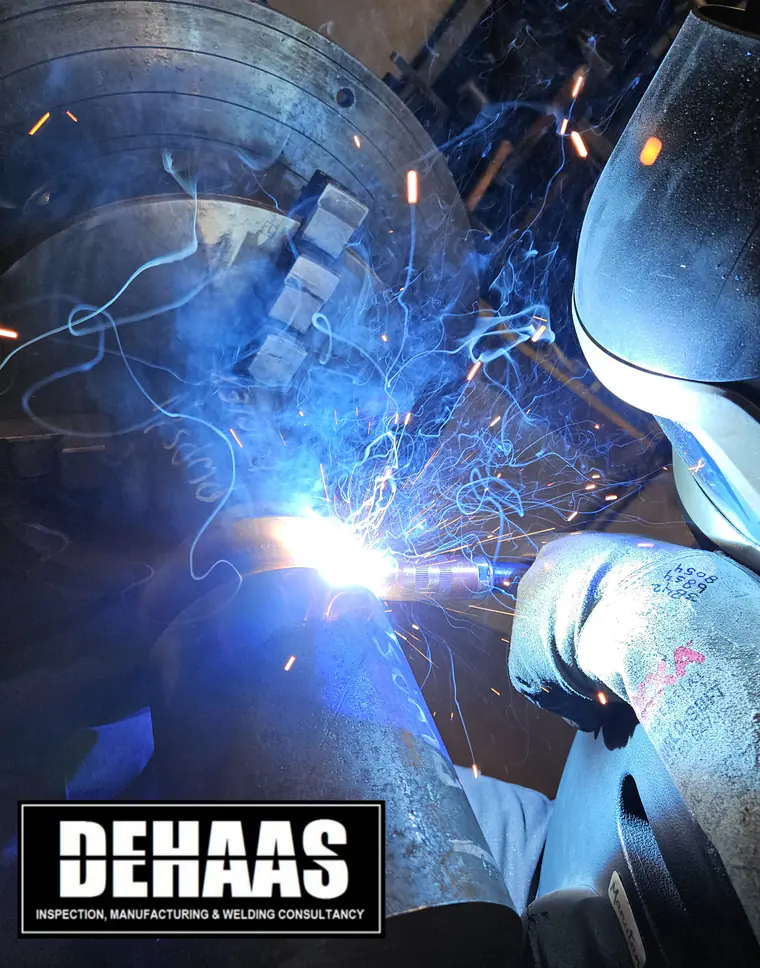
Operator qualification to ISO 14732 for robotic, mechanised and orbital welding: when an operator rather than a welder, qualification routes and validity.
Read more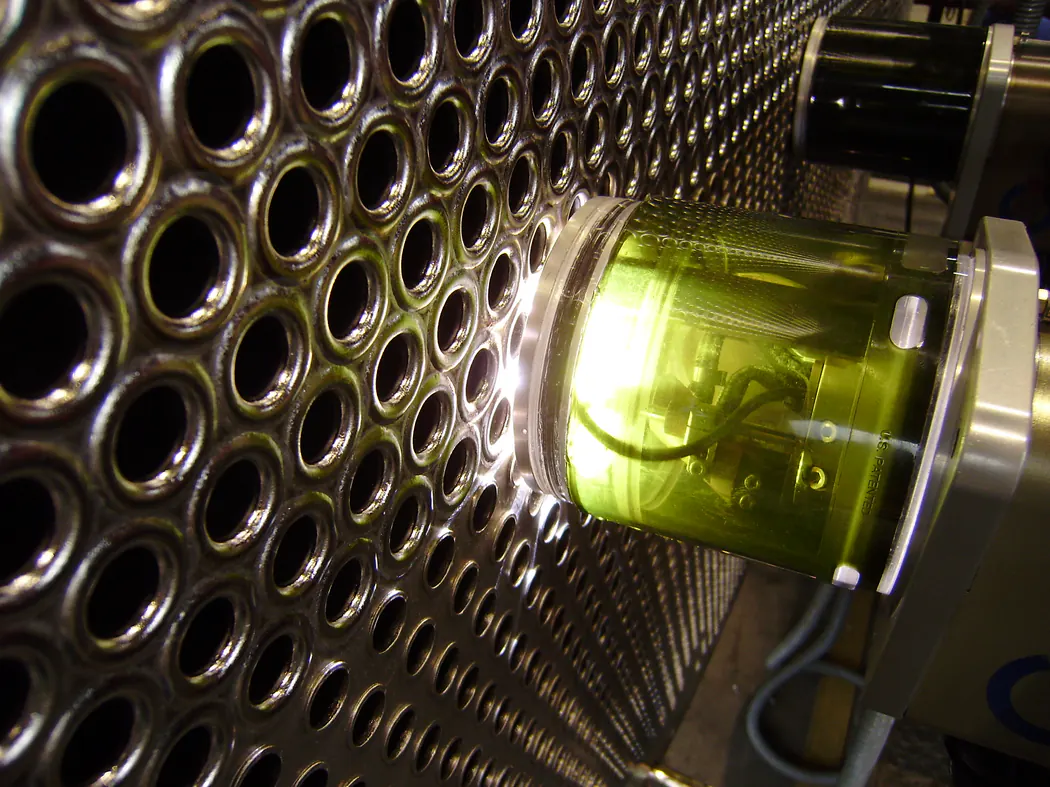
What drives the cost and lead time of a welding procedure qualification? The cost items of a WPQR, what delays the schedule and how to combine work.
Read moreWhat is a procedure qualification record under ASME IX? How WPS and PQR relate, what a PQR contains, how it differs from a WPQR and the most common errors.
Read moreWelder certification compared: AWS D1.1, the AWS Certified Welder program, ASME IX WPQ and ISO 9606-1. Who certifies, validity, continuity, portability.
Read moreWhich changes invalidate a welding procedure qualification? The essential variables of ISO 15614-1 and ASME IX listed, with the common pitfalls.
Read moreAdopting a WPQR from a supplier, a sister company or a previous employer: when it is permitted, which conditions apply and where it goes wrong.
Read more
How execution classes EXC1 to EXC4 are determined under EN 1090-2 and what each class means for welding, qualifications, coordination and documentation.
Read more
ISO 3834 has three certifiable parts. Which part suits which company, what each part requires, and how the standard relates to EN 1090 and client demands.
Read more
When a welding coordinator is required under ISO 14731, which tasks and responsibilities the role covers, and how to choose between IWE, IWT or IWS levels.
Read more
CE marking of structural steelwork under EN 1090-1: how the DoP and FPC work, the role of the notified body and the mistakes fabricators make most often.
Read more
What the ISO 5817 quality levels B, C and D mean, how to select the right level for your welded work and how the levels tie in with the EXC classes.
Read more
What the PED 2014/68/EU requires for welding: categories, permanent joints, and approval of welding procedures and personnel by a notified body or RTPO.
Read more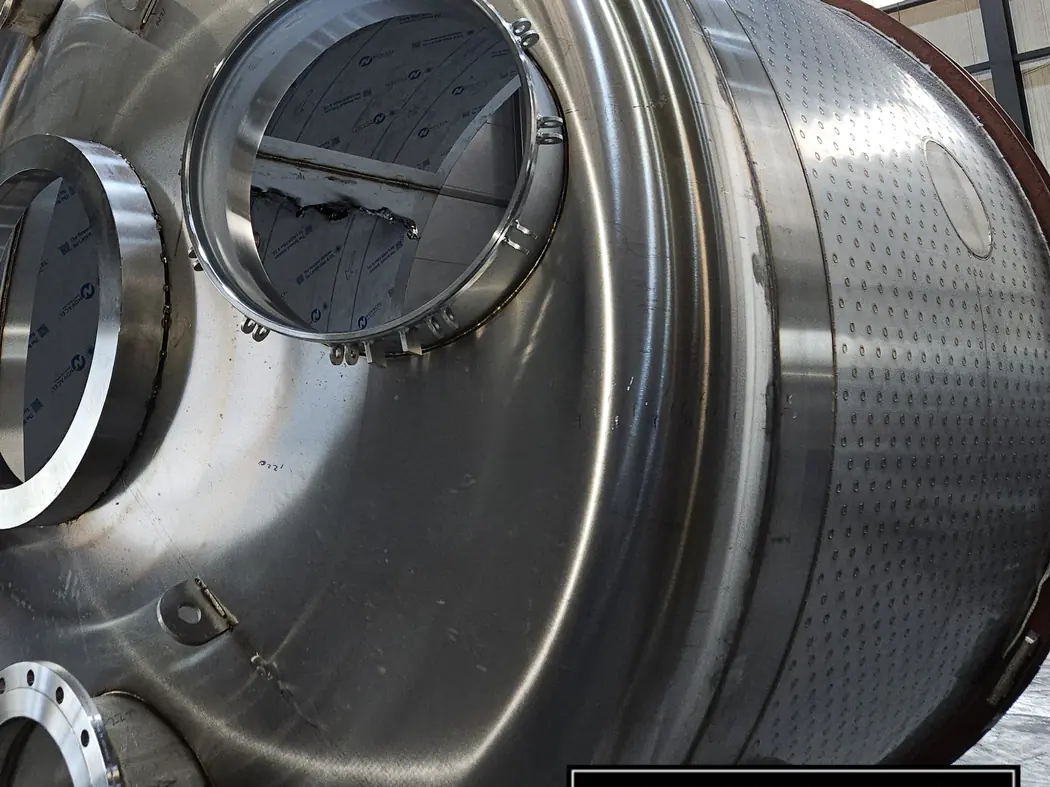
How AWS D1.1 compares with EN 1090, EN ISO 15614-1 and ISO 9606-1: structure, prequalified WPSs and what it means for fabricators working to both systems.
Read more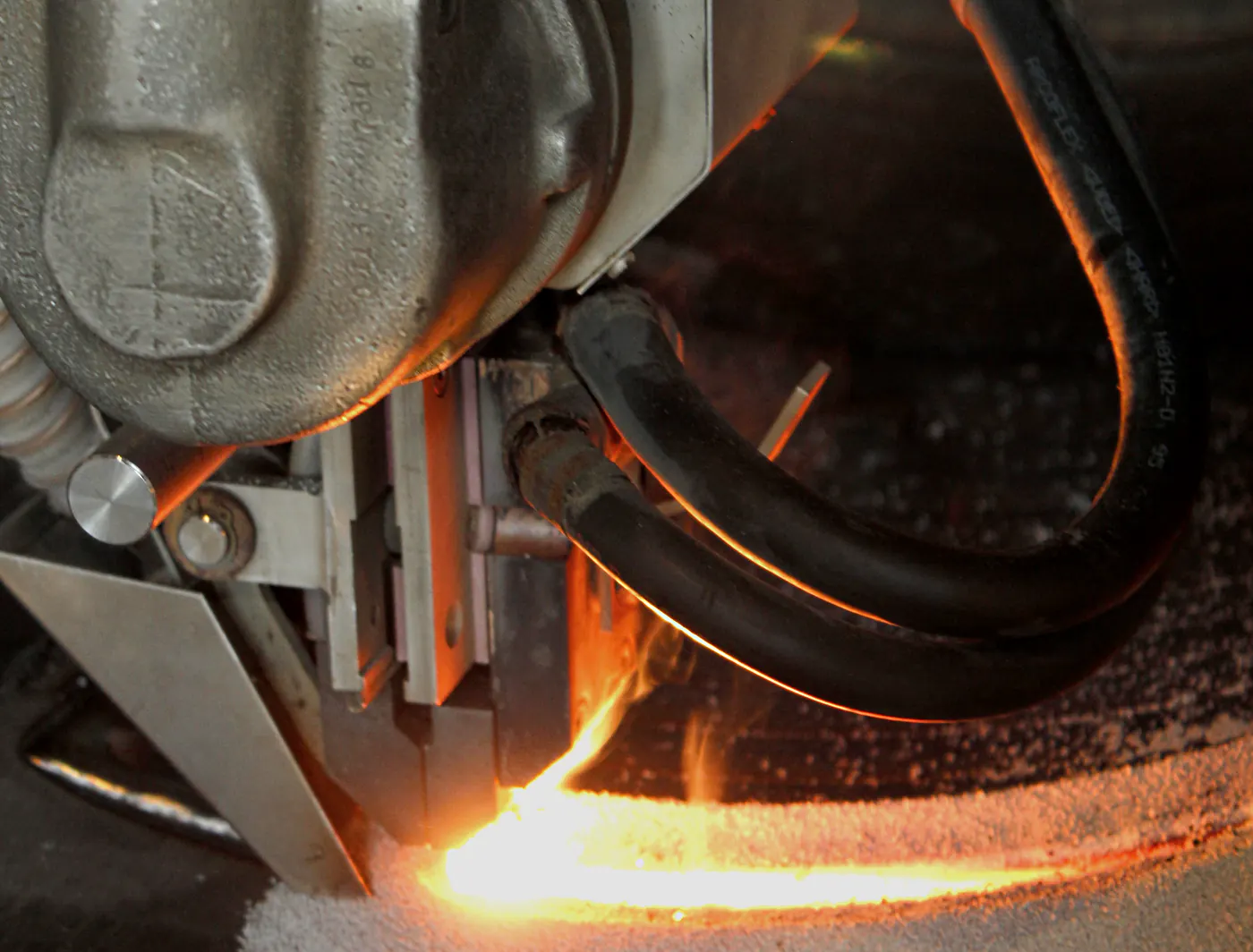
Visual testing of welds to ISO 17637: lighting, viewing distance and angle, tools, timing of the examination, reporting and the link with ISO 5817 levels.
Read more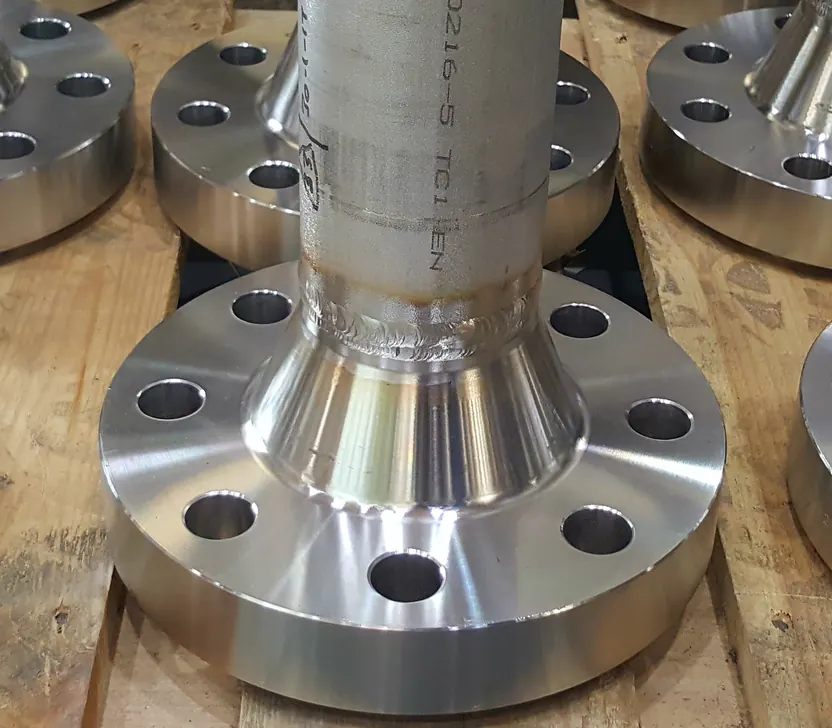
Material certificates to EN 10204: the difference between 2.1, 2.2, 3.1 and 3.2, who signs, what to require under EN 1090 and the PED, and traceability.
Read moreQualification and certification of NDT personnel to ISO 9712: levels 1, 2 and 3, who may do what, methods, validity, renewal and recertification explained.
Read moreFactory production control (FPC) under EN 1090-1: what it must cover, how to set it up in practice, the notified body's role and links with ISO 3834.
Read moreAWS D1.1 prequalified WPS explained: when you can skip procedure testing, when a PQR is required, and the process, material and joint limits that apply.
Read moreASME Section IX explained: QW and QB, P-numbers and F-numbers, essential and supplementary variables, WPS, PQR and WPQ, plus B31.3 and Section VIII.
Read moreHow does a welding procedure qualification to EN ISO 15614-1 work? Test coupon, testing programme, level 1 and 2, and the range of qualification.
Read moreEN 13445 explained: testing groups, joint coefficient, NDT extent and the relationship with the PED. Why the testing group determines your wall thickness.
Read moreCertification to EN 15085-2 for welding railway vehicles: certification levels CL1 to CL4, weld performance classes and the role of the welding coordinator.
Read moreWire indicators, duplex wire indicators and the required image quality class: how to demonstrate that a radiograph is sensitive enough.
Read more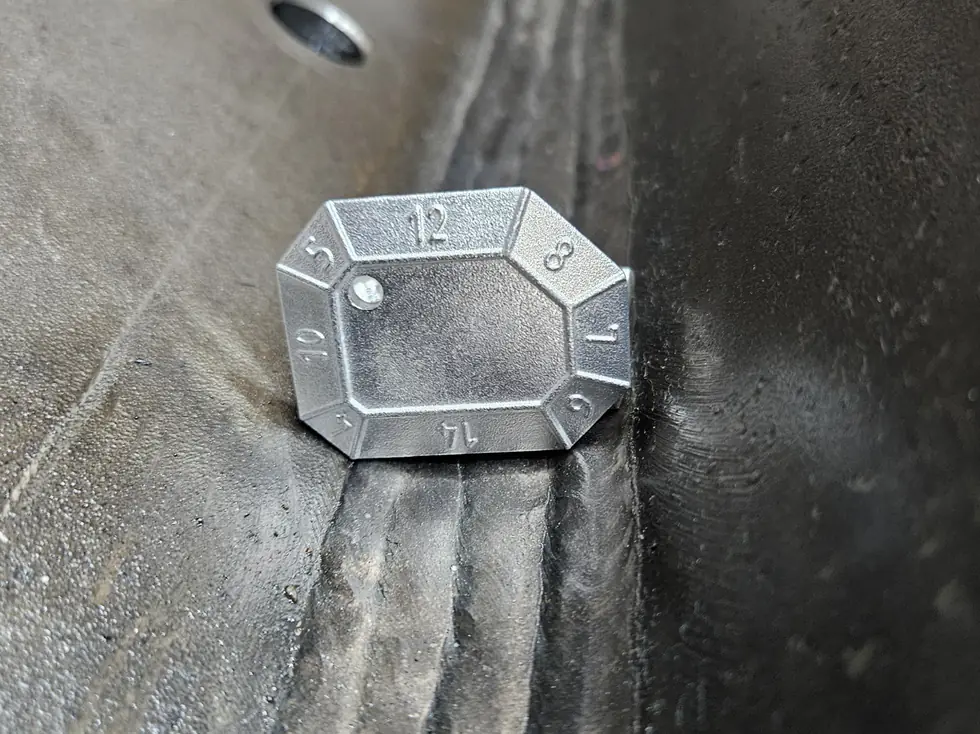
Which NDT method suits which welded joint? VT, PT, MT, UT and RT compared on application, strengths and limitations, with practical selection rules.
Read more
How does a proper visual weld inspection work? Preparation, measuring tools, assessment against ISO 5817 and reporting, explained step by step for practice.
Read more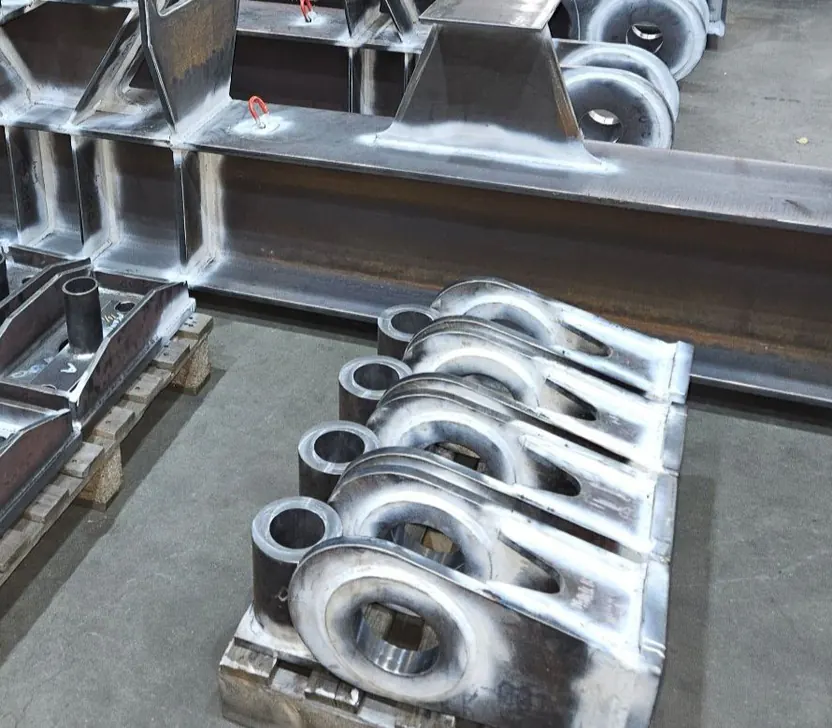
How to write an ITP (inspection and test plan): structure, hold, witness and review points, responsibilities and client agreement, explained for daily practice.
Read more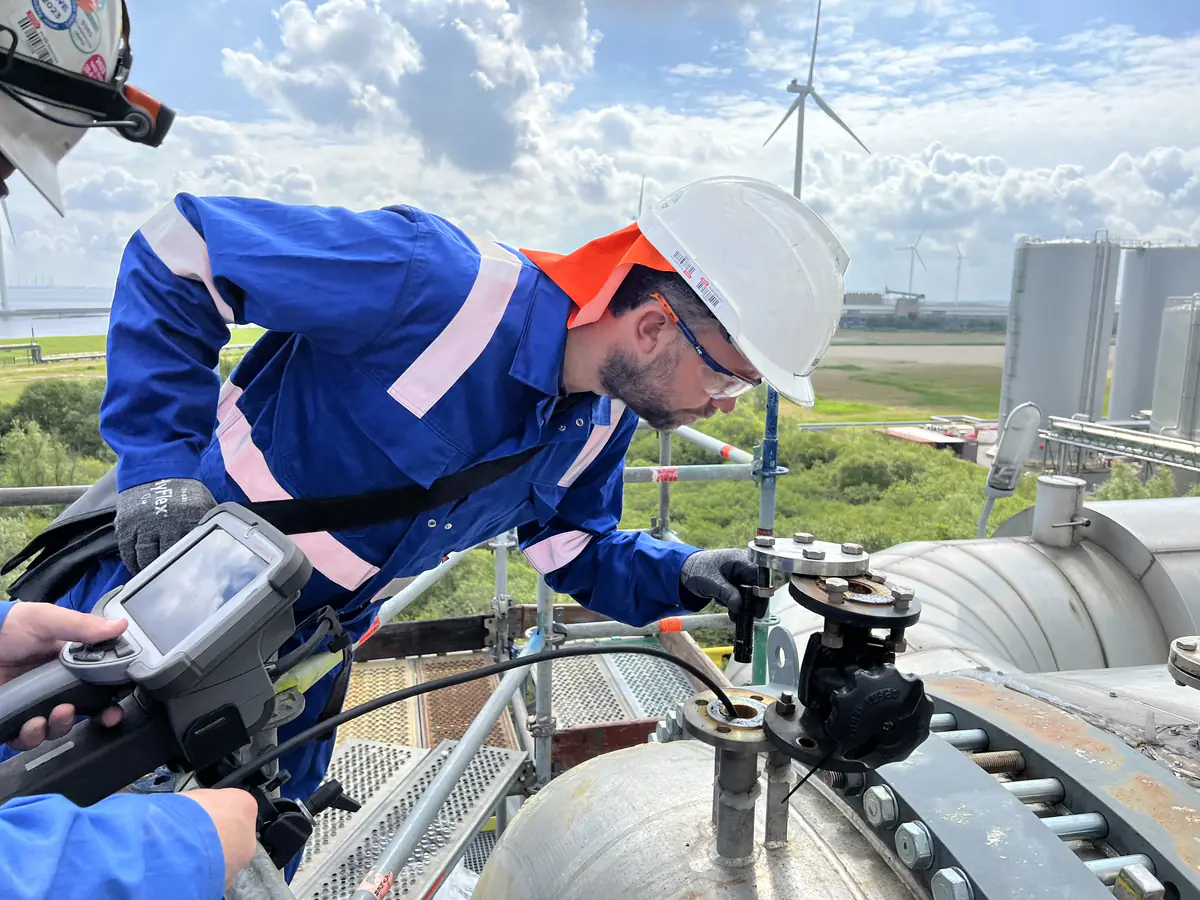
What belongs in a quality control plan (QCP) for fabrication projects, how it differs from an ITP and how to set one up without creating a paper tiger.
Read more
How to build an MRB or MDR: which documents belong in it, in what order, and why you should compile the dossier digitally during the project, not afterwards.
Read moreWhy a weld map and weld log are essential: traceability per weld, what to record, and how to set them up practically and keep them current during fabrication.
Read moreHow to prepare a FAT and final inspection: checklist, the role of the independent inspector, digital release and the mistakes we see most often on the job.
Read moreVendor inspection abroad: the typical risks, the right inspection stages, reporting and desk expediting, and what a structured approach delivers for you.
Read more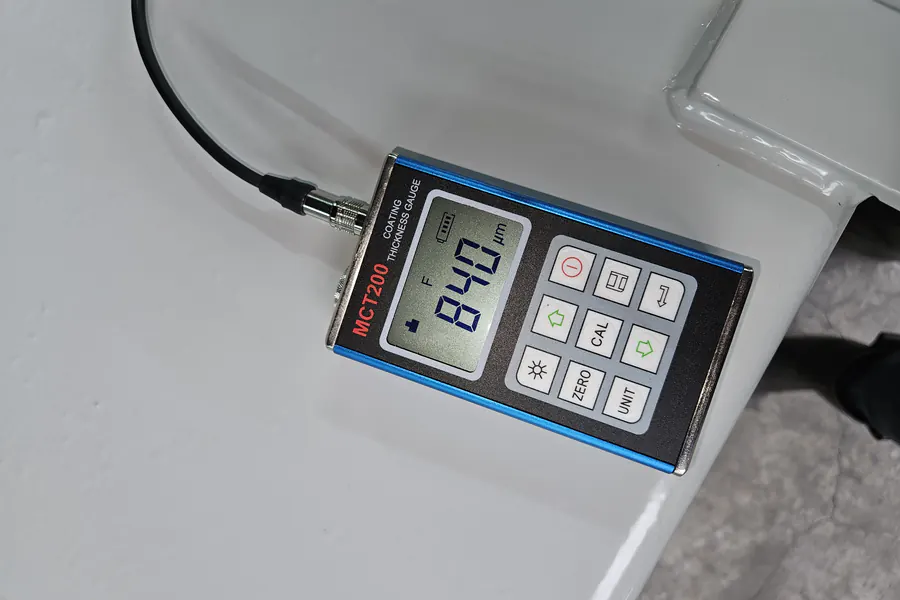
How to manage a punch list: classify items as A, B or C, record them clearly, follow them up and close them out, so handover does not end in disputes.
Read more
How to recognise common weld defects, from porosity and lack of fusion to cracks and undercut: causes, prevention and classification to ISO 6520-1.
Read moreWriting an NCR (non-conformity report): when to raise one, what it must contain, the dispositions use as is, repair, rework and reject, and root cause.
Read moreWelding inspector certification compared: AWS CWI, IIW IWI, CSWIP 3.1 and ISO 9712 VT. Levels, validity, regional recognition and what clients can expect.
Read moreHow radiographic weld testing works: X-ray versus gamma, image quality to ISO 19232, digital radiography and the acceptance criteria of ISO 10675-1.
Read moreUltrasonic weld testing to ISO 17640: angle probes, testing levels, calibration and why UT finds cracks better than radiography.
Read morePenetrant testing to ISO 3452: method, dwell times, colour contrast versus fluorescent, and the acceptance levels of ISO 23277.
Read moreMagnetic particle testing to ISO 17638: yoke technique, field strength, cross magnetisation and the acceptance levels of ISO 23278.
Read morePhased array (PAUT) and TOFD as a replacement for radiography: how they work, what ISO 13588 and ISO 10863 require, and when to choose them.
Read moreHardness testing to ISO 9015 and ISO 6507: where to measure in weld and HAZ, which limits apply, and the difference between laboratory and portable testing.
Read moreWhy ferrite content in austenitic and duplex weld metal is measured, how the ferritescope works and which limits apply in practice.
Read more
When is preheating required in welding? Carbon equivalent, thickness, hydrogen control, practical execution and verification, in line with EN 1011-2.
Read more
How to calculate welding heat input: the formula, thermal efficiency factors per process, and why control matters for fine grain steels and stainless.
Read more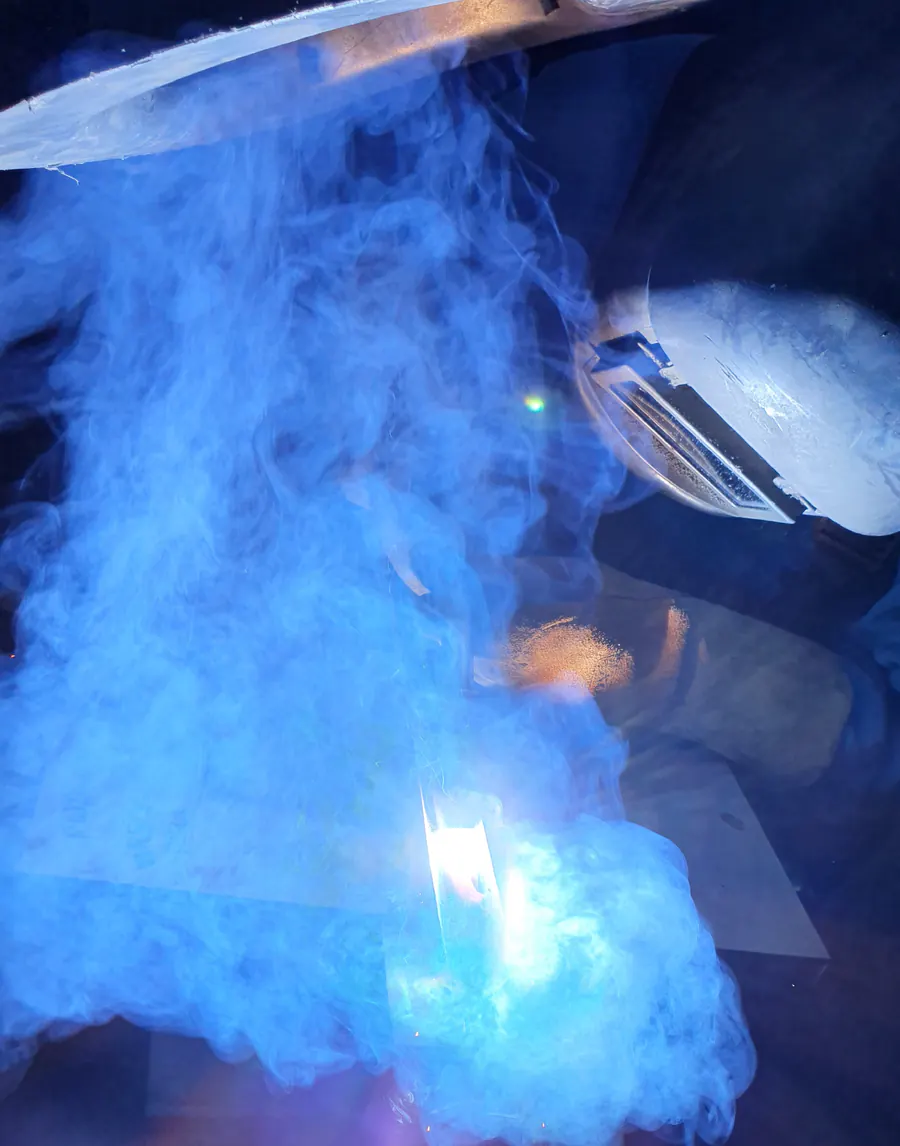
Post weld heat treatment: when PWHT is required, which temperatures and holding times apply, and how to execute and record the treatment correctly.
Read more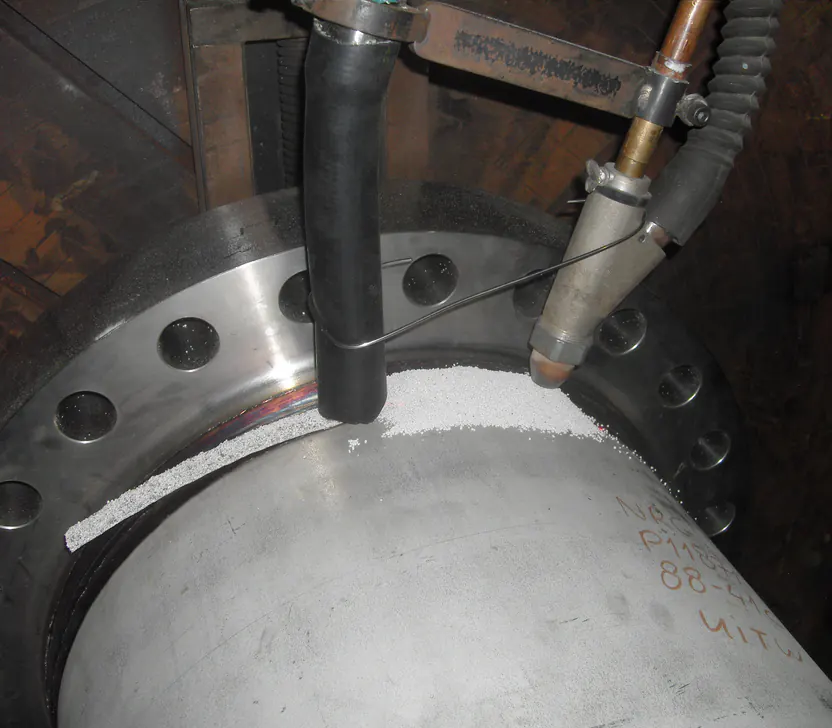
Welding duplex stainless steel: ferrite austenite balance, the heat input window, filler selection and testing with ferrite measurement and ASTM G48.
Read moreHeat tint on stainless steel welds: what the colours mean, acceptance criteria, backing gas with oxygen monitoring, and restoring resistance by pickling.
Read moreWelding process 135 (MAG) and the cored wire processes 136 and 138: metal transfer modes, shielding gases, strengths, common pitfalls and typical uses.
Read moreTIG welding (141) and orbital welding of stainless and titanium pipework: when to choose TIG, backing gas, quality control and ISO 14732 qualification.
Read moreSubmerged arc welding (121): high deposition, applications from tanks to cladding, wire flux combinations, key quality points and qualification explained.
Read moreHow to prevent hydrogen cracking and cold cracking: mechanism, risk factors and countermeasures, from preheat and low hydrogen consumables to NDT delay.
Read moreHow to control weld distortion: how shrinkage arises, types of distortion, and how welding sequence, presetting, restraint and design keep parts in shape.
Read moreQualifying robot welding to ISO 15614 and ISO 14732: operator qualification, programme control, seam tracking and the repeatability that delivers the gain.
Read moreWelding fume and occupational health law: limits for chromium VI, manganese and nickel, mandatory local exhaust and what an employer must record.
Read moreWelding 304 and 316 without distortion, carbide precipitation or loss of corrosion resistance: filler choice, heat input, backing gas and cleaning.
Read moreWelding aluminium calls for a different approach than steel: oxide film, hydrogen porosity, strength loss in the HAZ and the right filler wire for 5083 and 6082.
Read moreWelding S460, S550 and S690: keeping heat input inside the window, preheat, low hydrogen practice and the pitfalls of thermomechanically rolled steel.
Read moreWelding Inconel 625, 825 and Alloy 59: sluggish weld pool, hot cracking, dilution in overlay welding and strict heat input control.
Read moreWelding titanium demands full shielding until below 400 degrees: trailing shields, chambers, colour assessment to AWS D18.2 and the pitfalls.
Read moreRepairing cast iron by welding: grey versus ductile iron, cold welding with nickel electrodes, hot welding and when you are better off not welding.
Read moreWelding wear plate such as Hardox 400 and 500: preheat, heat input, undermatching consumables and the softened zone in the HAZ.
Read moreWelding stainless to carbon steel: choosing filler metal, controlling dilution, carbon diffusion and the pitfalls at elevated temperature.
Read moreWelding galvanised steel: zinc fume and metal fume fever, porosity, liquid metal embrittlement and restoring the zinc coating.
Read moreHow to select the right filler metal: reading the classification, matching versus undermatching, hydrogen class and electrode storage.
Read moreWhich shielding gas for which material and process? M21, C1, I1 and the mixtures, with their effect on penetration, spatter and impact values.
Read moreWelding copper, brass and bronze: thermal conductivity, preheat, oxygen free copper and the fumes from zinc and cadmium bearing alloys.
Read moreV, X, U or J: which joint preparation do you choose and why? Included angle, root face, gap and their influence on weld metal volume and shrinkage.
Read moreWelding symbols explained: the reference line, arrow side and other side, a and z dimensions, length and pitch, and how ISO differs from AWS.
Read more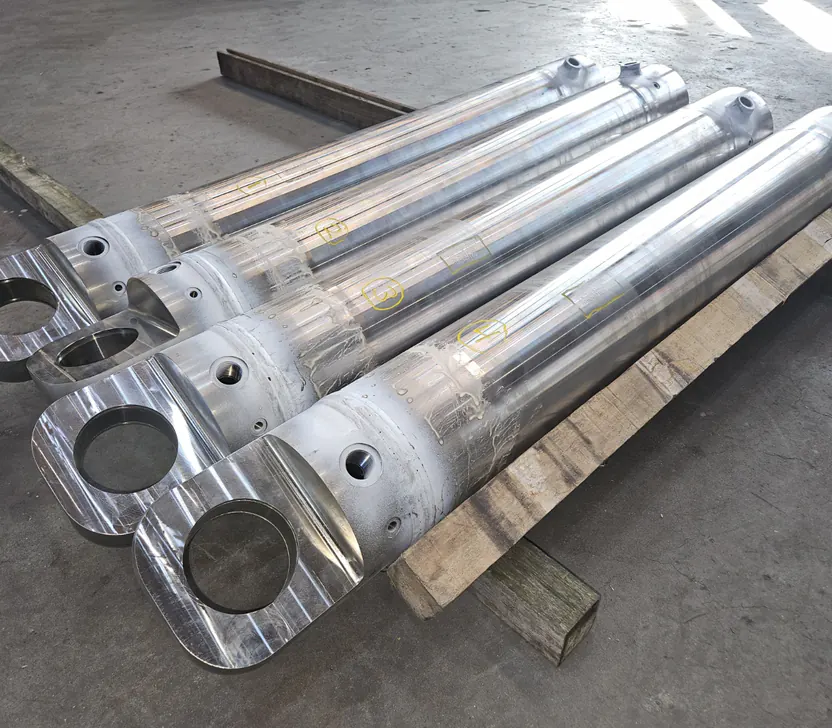
Throat or leg length? How to calculate the required throat thickness of a fillet weld to EN 1993-1-8, the ratio to z, and the most common mistakes.
Read moreWhen is full penetration required, when does a partial penetration or fillet weld suffice, and how do you demonstrate penetration through testing and qualification?
Read moreHow to choose between quality levels B, C and D of ISO 5817 with justification: balancing loading, consequences of failure and cost.
Read moreWhy welds fail under fluctuating load: detail categories to EN 1993-1-9, the role of the weld toe, and post-treatments that extend service life.
Read moreEssential and functional tolerances in EN 1090-2: what is mandatory, what is negotiable, how to measure and what to do when exceeded.
Read moreA considered welding sequence saves more than the best straightening: balanced welding, back stepping, fixturing and when to release.
Read moreAsk the DEHAAS Welding & Quality Assistant, have your case reviewed by a specialist, or call us directly.