EN 1090 support: from execution class to CE marking
Anyone placing load-bearing steel or aluminium structures on the market must CE mark them under EN 1090. Behind that mark sits a complete system: certified factory production control (FPC), welding coordination, qualified procedures and welders, and documentation that is correct for every delivery. DEHAAS supports steel fabricators and machine builders across Europe and North America, from initial gap analysis to gaining and keeping the certificate.
- From gap analysis to certificate
- Welding coordination to ISO 14731
- FPC and documentation in order
- Independent, nationwide coverage
We work independently and hands-on from Menaam, Friesland. No thick reports that disappear into a drawer, but a working system matched to the size of your company and the class of your work.
What EN 1090 requires of your business
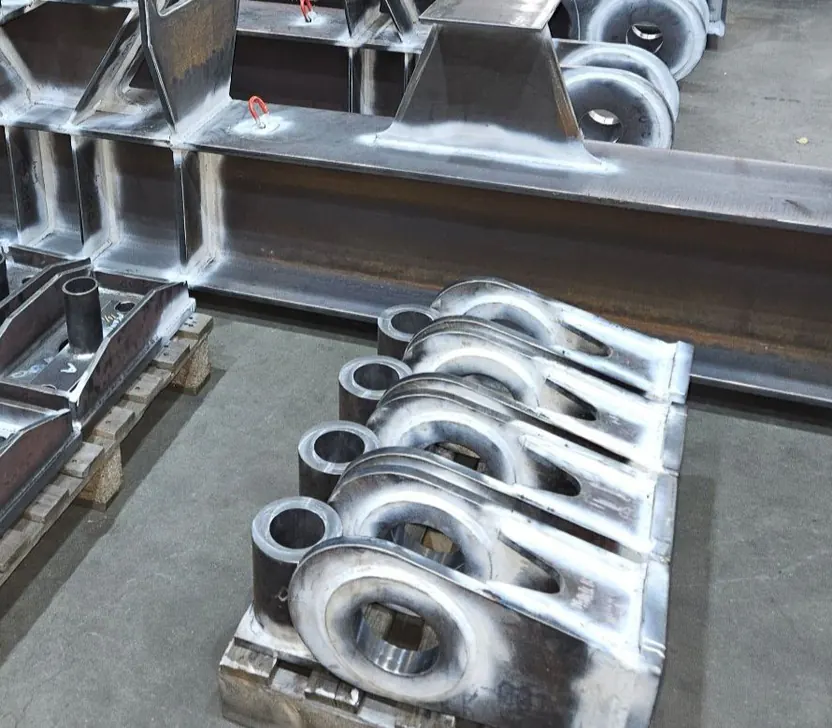
EN 1090-1 governs conformity assessment and CE marking of structural components. EN 1090-2 contains the technical requirements for steel structures, from material selection and welding to coatings and tolerances. To CE mark, you need an FPC certificate issued by a notified body after an audit of your production control.
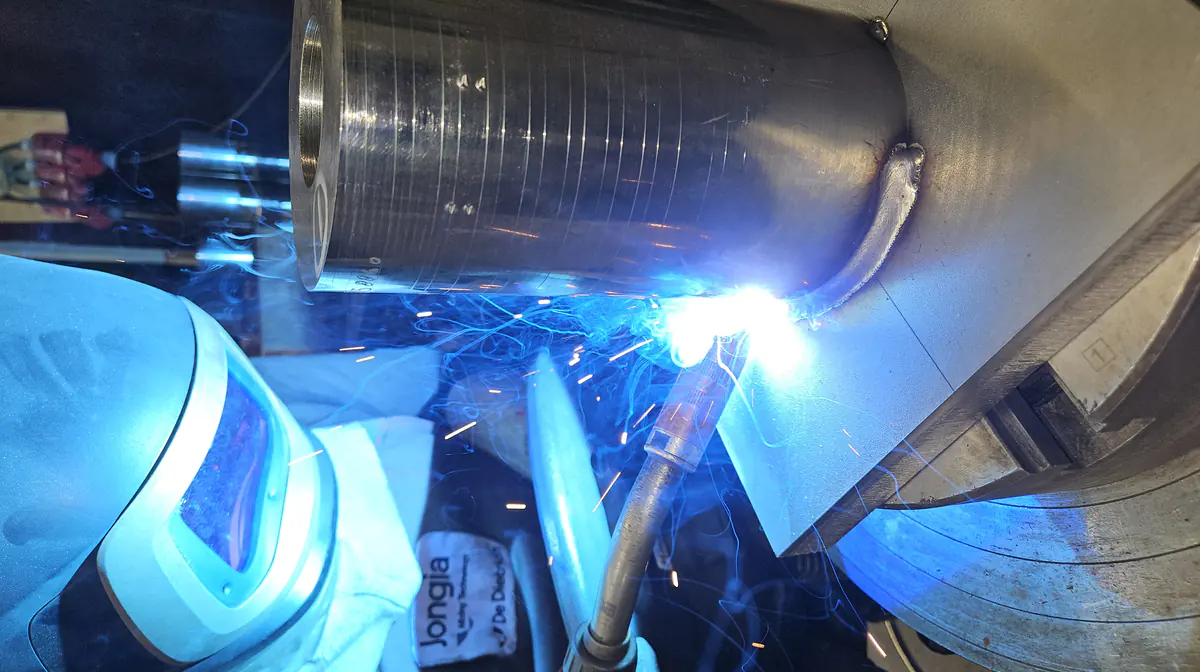
In practice, most of those requirements revolve around welding. Your coordination, procedures, welder qualifications and inspection must demonstrably match the execution class of the work you produce. That is exactly where our strength as welding specialists lies.
The right execution class: EXC1 to EXC4
EN 1090-2 defines four execution classes, EXC1 to EXC4. The higher the class, the stricter the requirements for qualifications, inspection and documentation. EXC2 covers most routine structural steelwork, while EXC3 typically applies to bridges and heavily loaded structures.
The class is set by the structural designer or the client and strongly influences your costs and working methods. We check whether the requested class is justified and set up your system for the class you genuinely need. Our article on the EN 1090 execution classes explains the differences.
Setting up factory production control (FPC)
The FPC system describes how you control production quality: purchasing and traceability of material, management of welding procedures and qualifications, inspection and testing, handling of non-conformities and product release. The welding requirements derive from ISO 3834, to which EN 1090 refers directly.
DEHAAS builds an FPC that works on your shop floor. We write the procedures together with your people, keep the paperwork as light as the standard allows and make every requirement traceable to a document or record. The result passes the audit and is actually used afterwards.
Welding coordination and qualifications
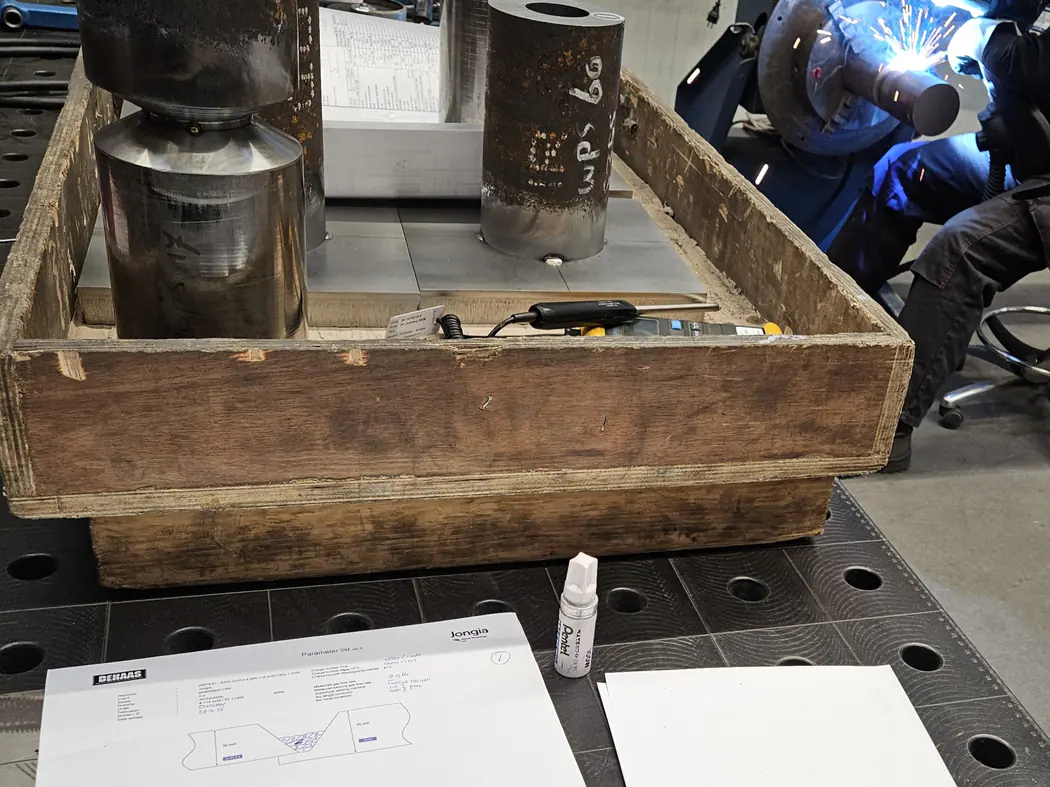
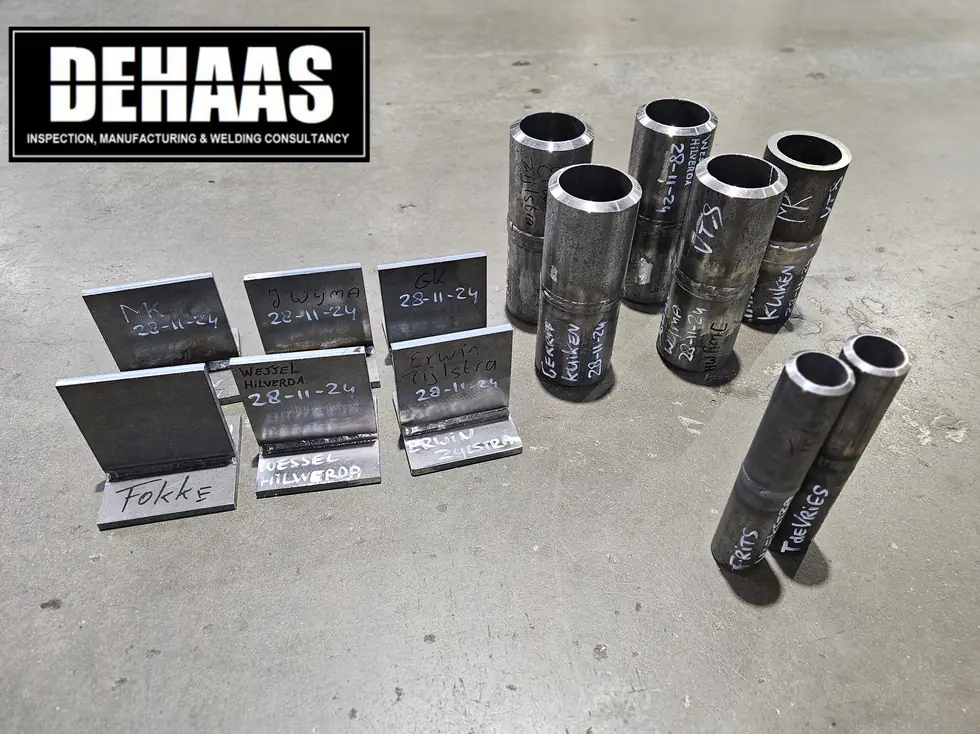
From EXC2 upwards, EN 1090-2 requires a responsible welding coordinator with tasks and authority as defined in ISO 14731. Your welding procedures must be qualified, typically by WPQR to EN ISO 15614-1, and your welders to ISO 9606-1, with weld quality assessed against ISO 5817.
We provide the welding coordination role or support your own coordinator, and deliver the complete package of WPSs, WPQRs and qualifications, matched to your products and execution class without unnecessary testing.
From gap analysis to certification
Every project starts with a gap analysis: we compare your current practice against EN 1090-1, EN 1090-2 and ISO 3834 and record, item by item, what already complies and what is missing. This produces a concrete plan with priorities, owners and a realistic schedule towards the audit.
We then execute the plan with you: writing procedures, arranging qualifications, setting up records and training your people in the new way of working. Ahead of the notified body's initial audit we run a trial audit, so findings are resolved in advance and the real audit holds no surprises.
Keeping the certificate after the audit
Gaining the FPC certificate is where the real work begins: the system has to remain correct on every order, and the notified body verifies this in periodic surveillance audits. Expired welder qualifications, changed processes and new personnel are the classic causes of non-conformities.
DEHAAS stays involved after certification. We monitor the validity of qualifications, assess changes to products or processes for their impact on the system, and prepare each surveillance audit with you, so the certificate remains routine rather than an annual scramble.
Frequently asked questions
Yes. Load-bearing steel and aluminium components placed on the market must be CE marked under EN 1090-1, which requires certified factory production control. Without the certificate you may not supply such components.
The execution class follows from the type of structure and the consequences of failure, and is specified by the designer or client. EXC2 covers most routine steelwork. We verify that the requested class is appropriate before you build your system around it.
That depends on your starting point. A workshop with qualified welders and reasonable records is usually audit-ready within a few months. The gap analysis gives you a realistic schedule up front, including lead times for any procedure qualifications.
You need a responsible welding coordinator with knowledge appropriate to the execution class, but the role may be filled externally. DEHAAS acts as external coordinator for fabricators across Europe and North America, or supports your own coordinator in the background.
More from the knowledge centre
Have a welding or QA/QC question?
Ask the DEHAAS Welding & Quality Assistant, have your case reviewed by a specialist, or call us directly.