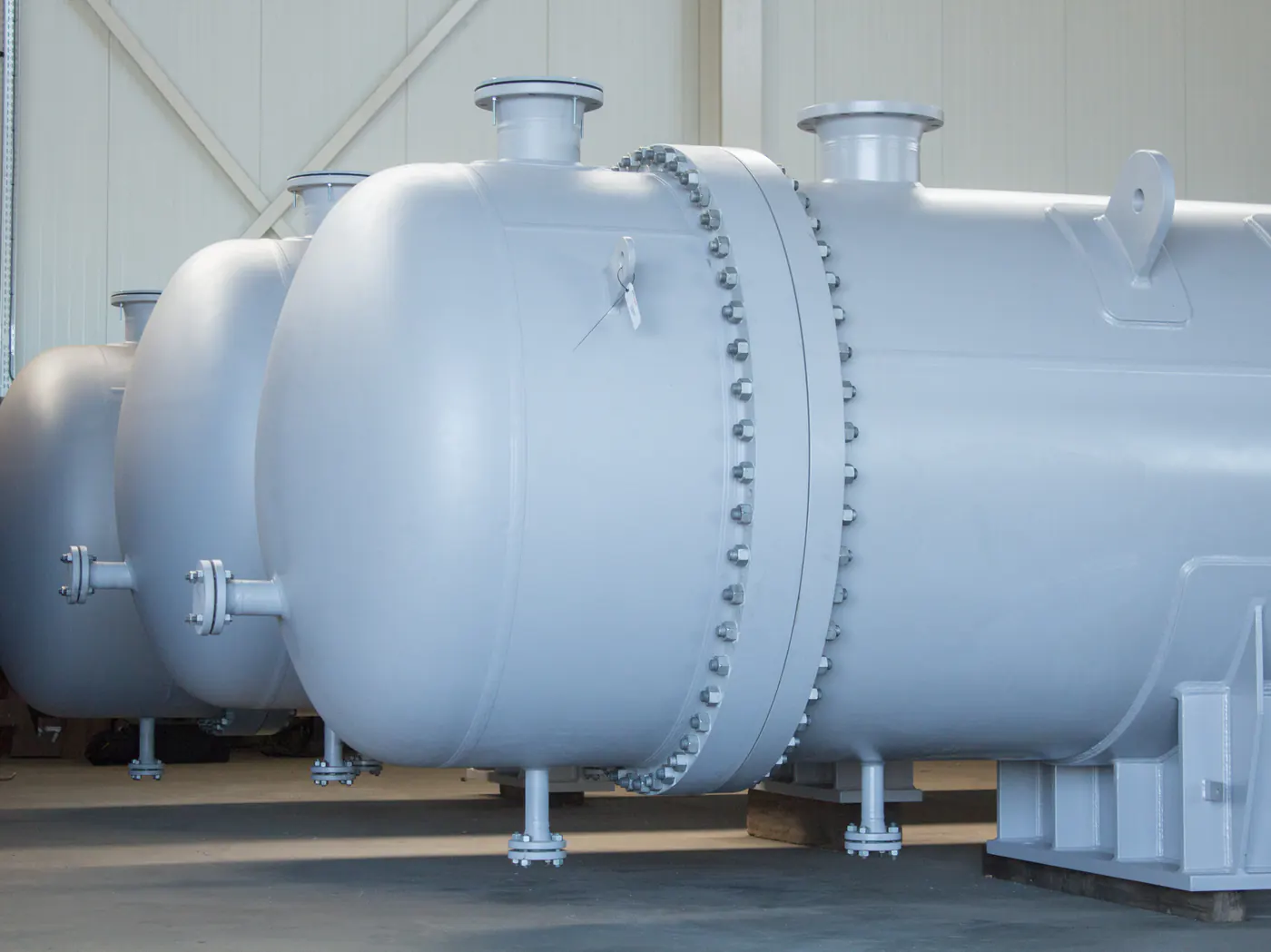
EN 15085: welding of railway vehicles
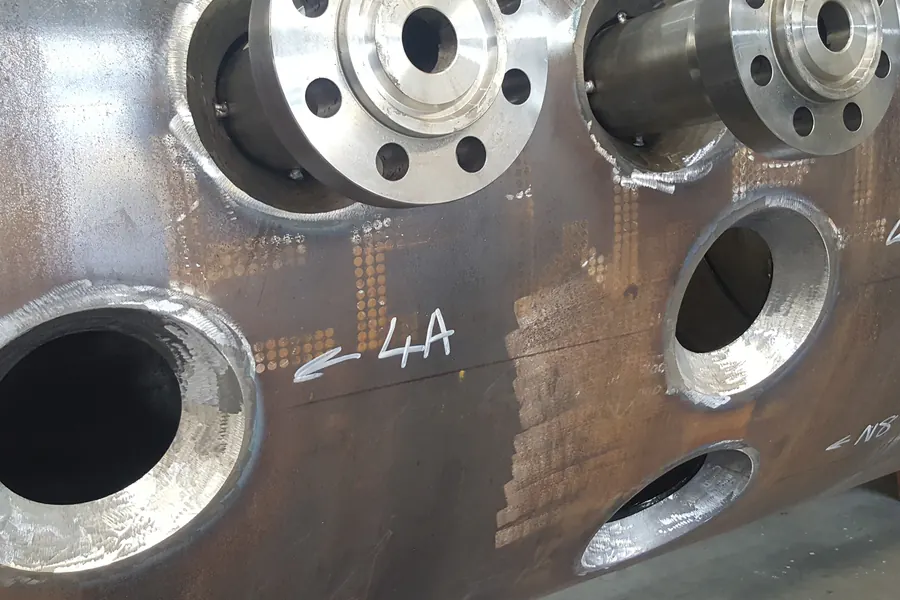
Welding railway vehicles or their components puts you in a framework of its own. EN 15085 is stricter than EN 1090 on personnel, design review and documentation, and requires certification by a recognised body.
For suppliers about to make a component for a rail company that often comes as an unwelcome surprise. This article explains how the system works.
The certification levels
EN 15085-2 defines four certification levels, CL1 to CL4. CL1 is the highest and applies to companies welding in all weld performance classes, including safety relevant ones. CL4 is for companies performing non load bearing work only.
The level determines which qualifications personnel must hold, which welding coordinators are required and how extensive the quality system must be. A company making a single rail component can often manage with a lower level, but that must be agreed with the client in advance.
Weld performance classes and quality levels
Every joint is assigned a weld performance class, CP A to CP D, derived from the loading and the safety relevance of the component. That class then sets the quality level to ISO 5817 and the extent of examination.
The designer assigns those classes and records them on the drawing. Without the class the manufacturer cannot plan examination and the inspector cannot assess. In practice that is the first thing an auditor looks at.
Personnel and design review
EN 15085-2 requires a qualified welding coordinator with a knowledge level matching the certification level, typically IWE or IWT. A deputy must also be appointed, something EN 1090 does not explicitly require.
The manufacturer must also review the design for weldability and approve the weld details. That is an active responsibility: adopting a drawing uncritically does not satisfy the standard.
What it means for suppliers
Supplying a component to a rail company, the client will require certification to EN 15085, or require you to work under their certificate with documented arrangements. The certification route typically takes several months.
DEHAAS guides that route: establishing which certification level is needed, setting up the quality system, putting qualifications in order and filling the welding coordinator role until you can staff it yourself. See hire a welding coordinator.
Frequently asked questions
No. EN 15085 imposes additional requirements on personnel, design review and documentation that EN 1090 does not. An EN 1090 certificate is a good basis, however, because many quality system elements overlap.
That follows from the weld performance classes of the components you make. If you make only non load bearing parts, CL3 or CL4 often suffices. As soon as safety relevant joints are involved, CL1 or CL2 is required.
Allow three to six months, depending on how far the quality system and qualifications already are. The longest element is usually obtaining the right qualifications for personnel and procedures.
Not necessarily. Existing qualifications to ISO 9606-1 remain valid provided they cover the required range and validity has been maintained. It must however be demonstrated that the welders can work with the materials and positions concerned.
More from the knowledge centre
Have a welding or QA/QC question?
Ask the DEHAAS Welding & Quality Assistant, have your case reviewed by a specialist, or call us directly.