Vendor inspection and expediting at your suppliers
When you purchase welded structures, equipment or components, you want problems found at the supplier, not on arrival at site or in your factory. Vendor inspection takes control to the source: inspections on your supplier's shop floor, in the Netherlands and abroad, performed by a specialist who understands welding, standards and documentation. DEHAAS provides vendor inspection and expediting for clients across Europe and North America.
- Inspections at home and abroad
- Hold and witness points enforced
- Factual progress reporting
- Release before shipment
We are independent, with no ties to manufacturers or certification bodies. You receive a sober, factual picture of quality and progress, so you can intervene while intervention is still cheap and simple.
Why inspect at the source
A non-conformity discovered at delivery is expensive. The product goes back, the schedule slips, and arguments over responsibility cost more than the defect itself. Buying abroad adds distance, language and a different understanding of quality.
Vendor inspection reverses that. By being present at the right stages of production, deviations are found while they can still be corrected. The supplier also knows someone is watching, which in itself demonstrably raises care and attention. You protect schedule, budget and end product quality at the same time.
Supplier inspections at home and abroad
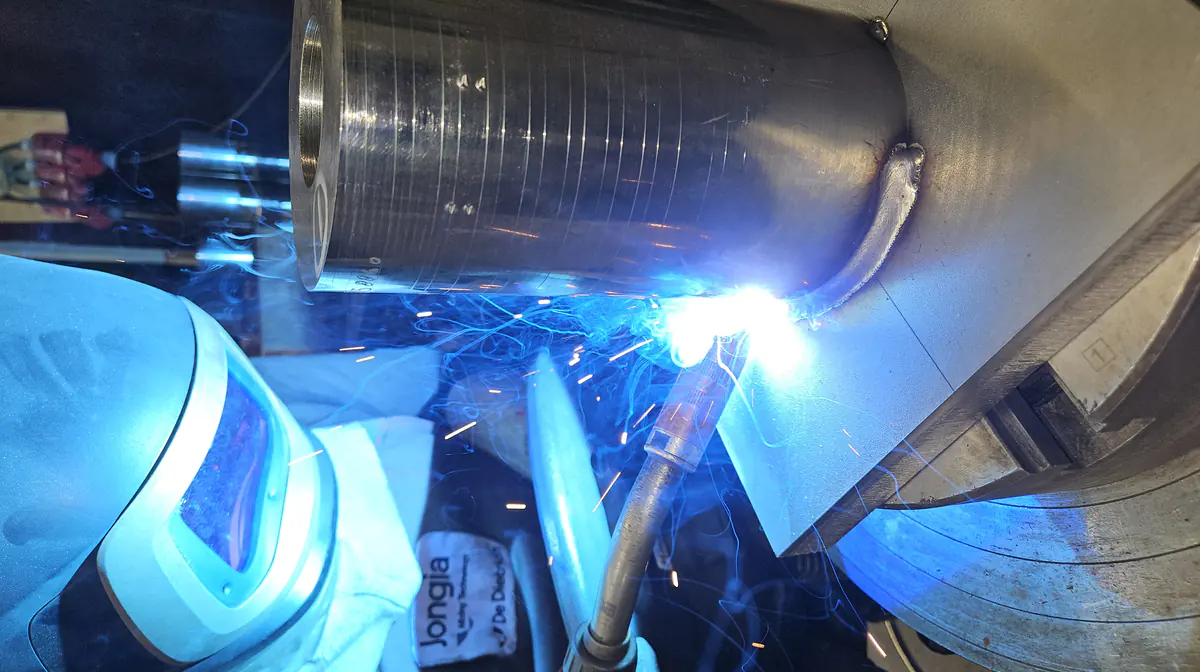
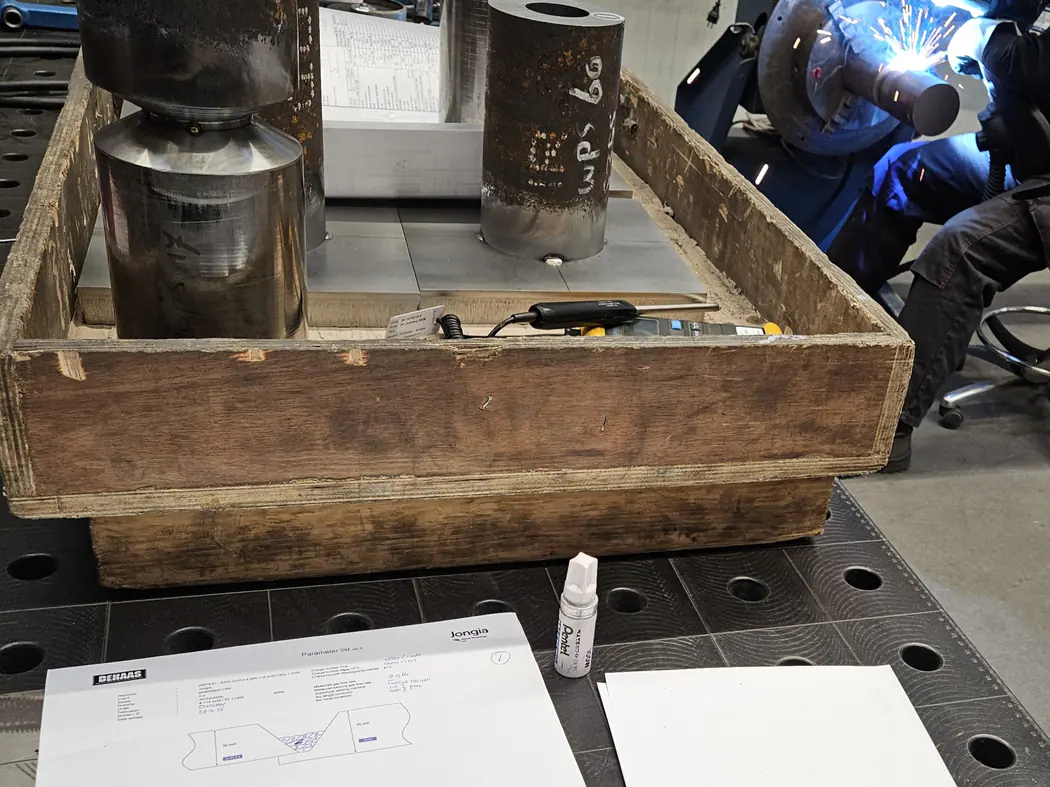
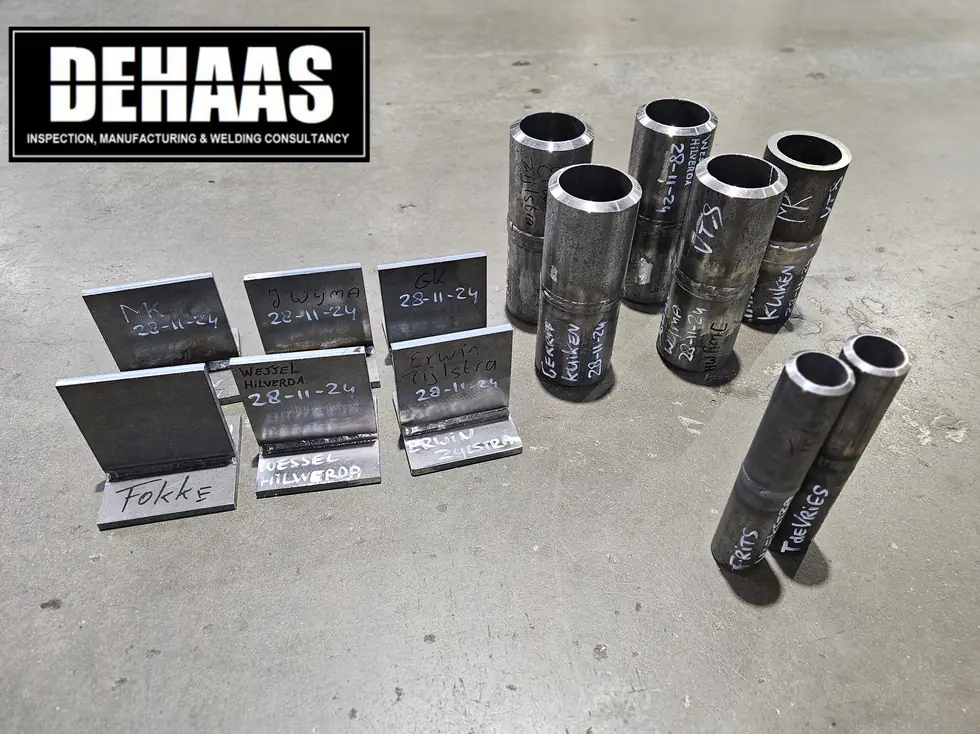
Our inspector visits the supplier at the moments that matter: at the start of production, during welding and at intermediate inspections. We verify that work follows the agreed drawings and specifications, that welding procedures and welders are qualified, and that weld quality meets the acceptance criteria, for instance those of ISO 5817.
The basis is the inspection and test plan (ITP) with agreed hold and witness points. At a hold point, production may only continue after our release; at a witness point we attend an inspection or test. Our background in welding inspection and QA/QC means we genuinely assess rather than merely tick boxes.
Desk expediting: monitoring progress remotely
Not every order justifies site visits. With desk expediting we monitor progress remotely: we maintain contact with the supplier, check the schedule against milestones, verify that documents such as material certificates, welding qualifications and inspection reports arrive on time and in order, and flag delays before they reach your project.
Desk expediting combines well with targeted visits: routine monitoring from a distance, physical inspection at the critical stages. You keep a grip on several suppliers at once without travelling for every check, and the inspection budget goes where the risk actually sits.
Clear progress reporting
After every visit and expediting round you receive a factual report: what was checked, where production stands against the schedule, which deviations were found and which actions were agreed, with names and dates. Photographs support the findings, and a punch list tracks open items until they are demonstrably closed.
Our reports are written to support decisions. No padding, but a clear picture of quality, progress and risk, usable towards your own client and as a file in any dispute with the supplier.
Release before shipment
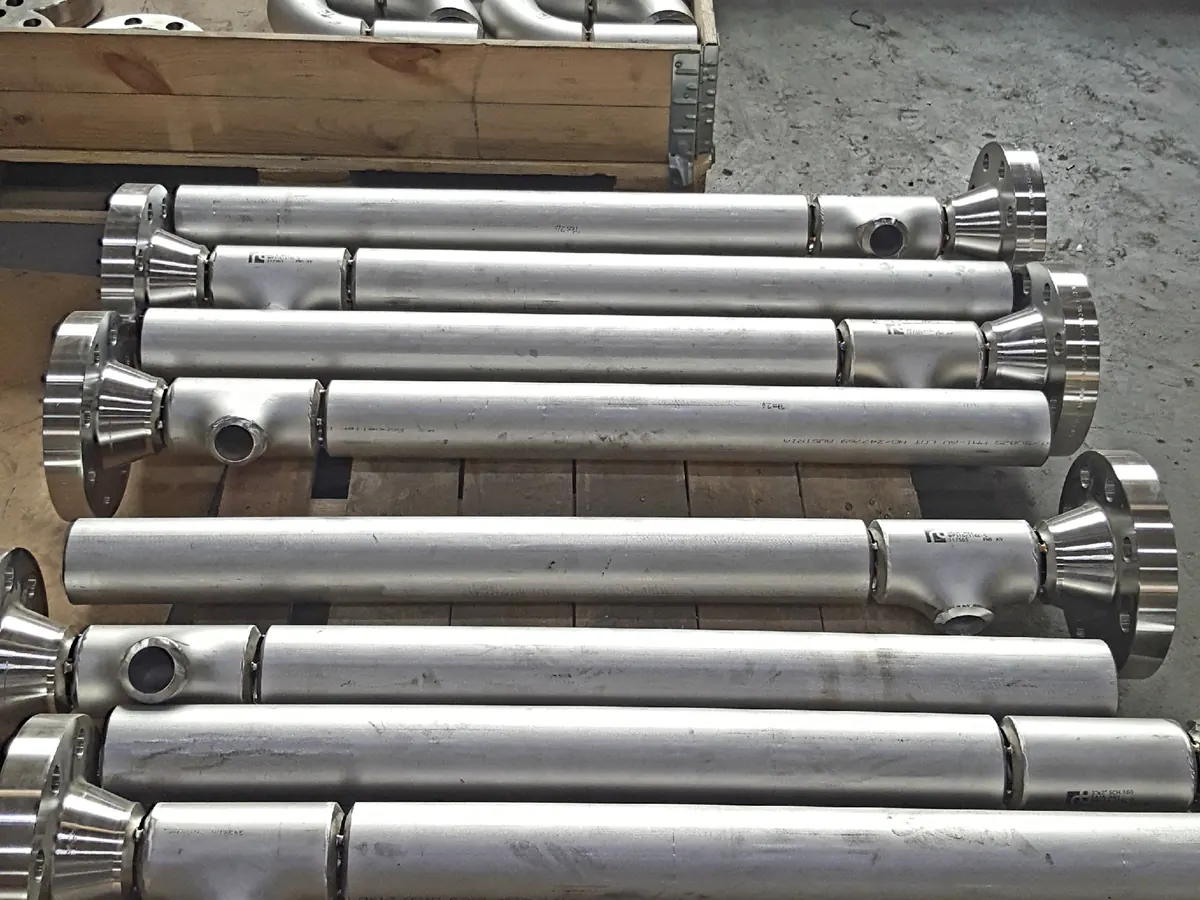
The final inspection before shipment is the last point at which correction is cheap. We check the finished product against drawing and specification: dimensions, weld quality, coating, and the completeness of the documentation package, from material certificates and welding procedure qualifications to NDT and dimensional reports.
Packing and transport protection are assessed as well, because transport damage to an approved product wastes all the work that went before. Only when everything is in order do we issue a release for shipment. What arrives is what you ordered.
One specialist for quality and progress
Vendor inspection and expediting are often split between different parties, so quality and schedule are monitored separately. At DEHAAS both sit in one hand. The specialist who judges the weld quality also sees whether the schedule is realistic and whether a supplier is trading quality for speed.
You engage us per order, per project or on a continuing basis for your regular suppliers. We match the scope to the risk of the delivery: a critical pressure vessel demands a different regime than a simple steel frame. You never pay for more oversight than the delivery warrants.
Frequently asked questions
Expediting monitors the progress and schedule of an order; inspection judges the quality of the product. In practice they reinforce each other, as delay is often an early warning of quality problems. DEHAAS combines both in a single assignment.
Yes, we carry out inspections at suppliers in the Netherlands and abroad. For routine monitoring we use desk expediting, keeping travel limited to the moments where physical presence genuinely adds value.
A hold point is an agreed stage in production beyond which the supplier may not proceed until the inspector has given a release, for example before a weld is closed off or a product is coated. Hold points are fixed in advance in the inspection and test plan.
Preferably when the order is placed. Inspection moments and documentation requirements can then be written into the contract, and we follow production from the first step. Joining later is possible, but the early, inexpensive correction points will already have passed.
More from the knowledge centre
Have a welding or QA/QC question?
Ask the DEHAAS Welding & Quality Assistant, have your case reviewed by a specialist, or call us directly.