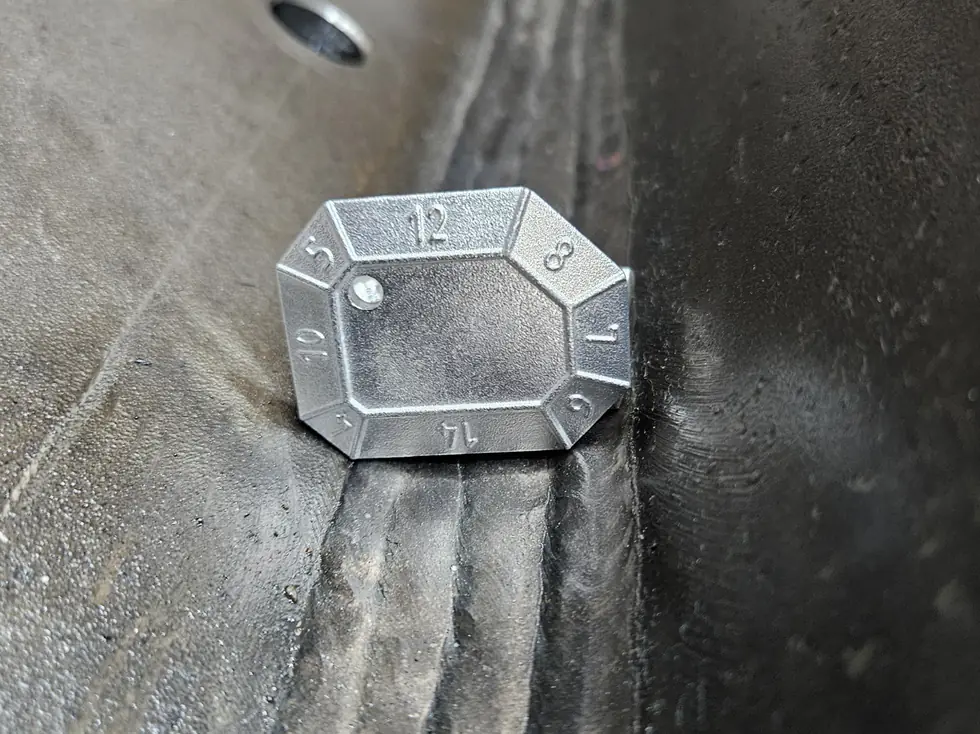
The quality control plan for your fabrication project

The QCP, or quality control plan, describes how quality is organised and assured in one specific fabrication project. Where a company's quality system is general, the QCP is project bound: it translates contract requirements, standards and internal procedures into agreements for this project, this client, these materials and these subcontractors.
Many manufacturers produce a QCP because the client asks for one, and treat it as paperwork. That is a missed opportunity, because a good quality plan saves time: everyone knows who checks what, discussions are settled before the start and the handover dossier builds itself. This article covers what belongs in a QCP, how it relates to the ITP and how to set it up practically.
What a QCP is and when you need one
The QCP is the project specific quality document that records which requirements apply, who is responsible and how compliance is demonstrated. It builds on the company wide quality system and on welding quality assurance to ISO 3834-2, ISO 3834-3 or ISO 3834-4, but focuses them on one concrete project.
A QCP is certainly appropriate for projects with contractual quality requirements, for structures under EN 1090-2 in the higher execution classes, for pressure equipment under PED 2014/68/EU and for projects involving several parties or subcontractors. Even without a hard obligation, it pays off on any project where the cost of a missed requirement exceeds the few days it takes to write.
QCP and ITP: the difference at a glance
The two documents are often confused. The distinction is simple:
- The QCP describes the organisation and the rules: requirements, responsibilities, procedures, document control, handling of non conformities.
- The ITP is the concrete inspection table that follows from it: per fabrication step the check, the criterion, the verifying record and each party's intervention points.
The QCP references the ITP as an appendix or separate document, and the ITP relies on the procedures the QCP designates. Together they form one whole: a plan without an inspection table stays abstract, a table without a plan floats free. Our article on how to write an ITP covers that table.
The fixed elements of a good QCP
A usable quality plan contains at least:
- Project details and scope: what is being built, for whom, under which contract.
- Requirements register: standards and specifications with revision, for example EN 1090-2 EXC3, ISO 5817 level B, client specifications.
- Organisation and responsibilities: project manager, engineering, welding coordination to ISO 14731, QC, purchasing, by name or role.
- Control of documents and records: which documents apply, how revisions are managed, where records are kept.
- Material control and traceability: certificate requirements, identification, transfer of markings.
- Welding assurance: WPS register, procedure qualifications to EN ISO 15614-1, welder qualifications to ISO 9606-1.
- Inspection and testing: reference to the ITP and NDT procedures, NDT personnel qualified to ISO 9712.
- Non conformity control, weld repairs and the build up of the final dossier.
Setting it up: from contract to plan
Do not start from a blank page, start from the contract. Go through the technical specification line by line and note every requirement that demands organisation, verification or records. Turn those into the requirements register of the QCP and mark where your standard practice already complies and where this project needs something extra. Only the latter needs writing out; for the rest you reference existing procedures.
Keep the plan short. Ten to twenty pages suffice for most fabrication projects. Every extra page lowers the chance that people on the shop floor read it. Use tables rather than prose, name the responsible people and replace generic manual text with project agreements. A QCP that is eighty percent copied quality manual fails any serious review.
Non conformities and changes: arrange it up front
The difference between a smooth and a painful project rarely lies in whether something goes wrong, but in how it is handled. So record in the QCP how non conformities are dealt with: when a report is raised, who decides the disposition and how the client is involved. The same applies to changes to drawings and specifications: who assesses the impact and how the change lands in the dossier.
Describe the weld repair process as well: against which repair procedure, how often the same weld may be repaired and which re inspection follows. Our article on the non conformity report covers that process in detail.
Keeping the QCP alive during the project
A quality plan is a steering document, not a one off deliverable. Discuss it at the kick off with everyone involved, including subcontractors, and record that they are bound by the same requirements. Periodically check that practice still matches the plan and issue a revision with visible changes where it does not.
If nobody in house has the time for this, the role can be placed with an external QA and QC professional who writes the plan, monitors it and handles the reporting. DEHAAS fills that role independently; see our QA and QC support service. At handover, the followed QCP, the signed off ITP and the reports together prove that the product meets its requirements.
Frequently asked questions
A QCP is usually a contract requirement rather than a legal one. That said, regimes such as EN 1090-2 in higher execution classes and certification to ISO 3834-2 presume documented, project focused quality assurance, and a quality plan is the usual way to provide it.
The manual describes the company's general quality system and applies to all projects. The QCP is its project specific translation: it names the requirements, people and checks for one concrete project and refers to the manual for standard practice.
Usually the manufacturer's QA or QC officer, together with the project manager and the welding coordinator. The key is that the author knows both the contract and the shop floor. Writing it can also be outsourced to an independent specialist who then helps monitor it.
As short as possible, as long as necessary. For an average fabrication project, ten to twenty pages plus appendices such as the ITP and the WPS register are enough. What matters is that every contract requirement is traceably covered, not the page count.
More from the knowledge centre
Have a welding or QA/QC question?
Ask the DEHAAS Welding & Quality Assistant, have your case reviewed by a specialist, or call us directly.