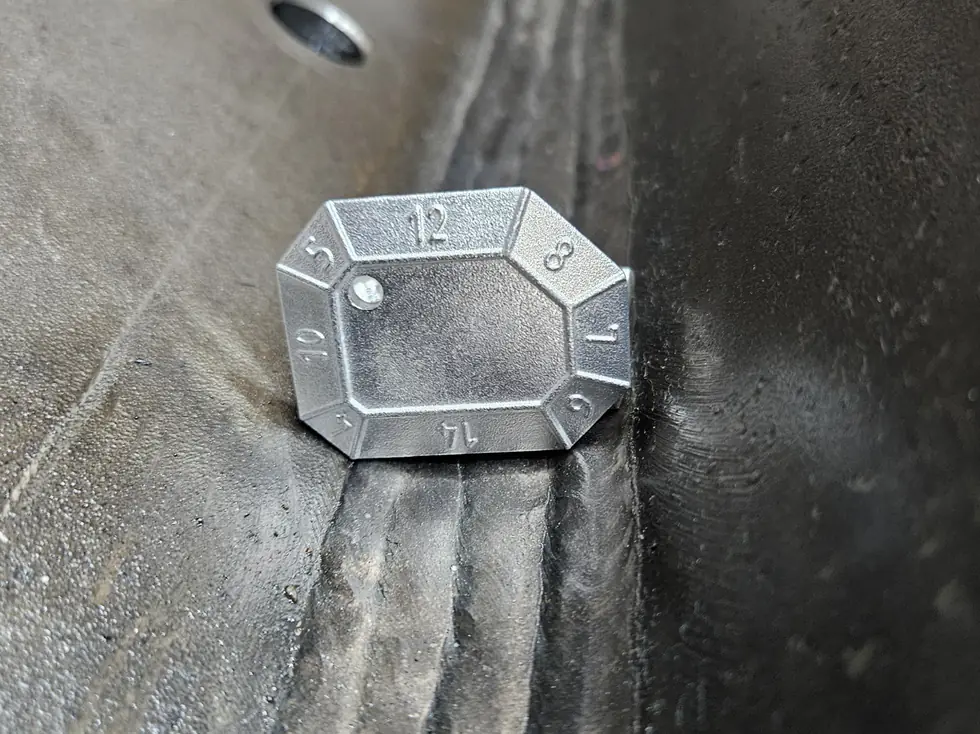
The NCR: recording, resolving and learning from non-conformities
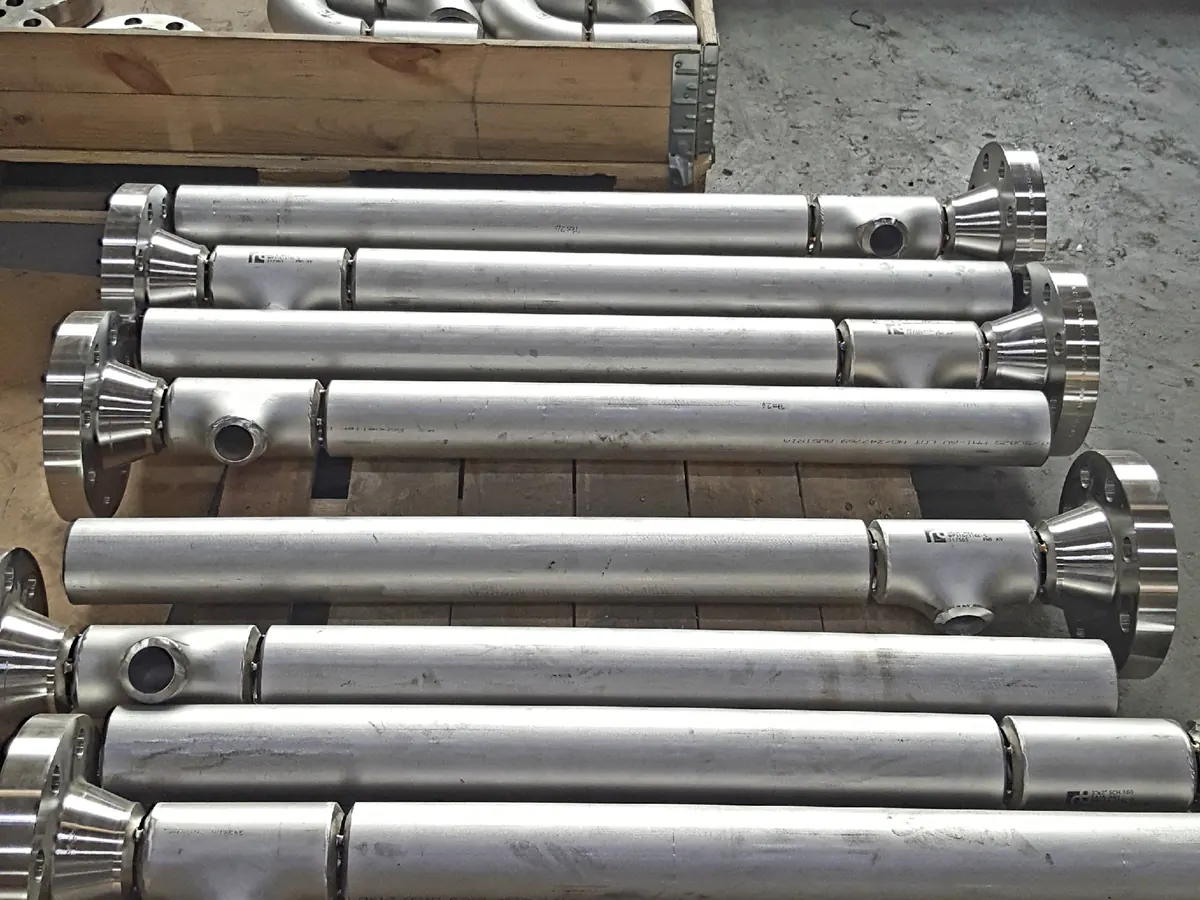
An NCR, or non-conformity report, records that a product, process or document does not meet the specified requirements. On the workshop floor an NCR can feel like an accusation. That is a pity, because a well written NCR is a tool for resolving a problem in a controlled way, making the right decision demonstrably and preventing the same error from recurring.
In welding projects NCRs are unavoidable: a weld rejected after NDT, an incorrect material certificate, a dimension out of tolerance. What matters is how they are handled. This article explains when to raise an NCR, what it should contain, the available dispositions and how root cause analysis turns deviations into lessons.
When to raise an NCR
An NCR is needed whenever a requirement is not met and the issue cannot be resolved within normal working methods. For example:
- A weld that fails the agreed ISO 5817 quality level after visual testing or NDT.
- Material with a missing or mismatched certificate, or not the required EN 10204 type.
- Welds made with a WPS not covered by a valid qualification, or by a welder without a valid ISO 9606-1 qualification.
- Dimensions outside drawing or standard tolerances.
- A hold point in the ITP that was bypassed.
Not every imperfection needs an NCR. A weld with a minor defect repaired under the approved repair procedure and re-examined is handled through the repair register on many projects. Define that boundary in the quality plan. A bypassed intervention point is also a non conformity; see how to write an ITP for setting those points.
What an NCR must contain
An NCR must be readable on its own, including by an auditor months later. Include at least:
- A unique number, date and originator.
- Project, order number and product identification: drawing, weld, heat or tag number.
- The requirement not met, referencing drawing, specification, standard or procedure.
- A factual description with measured values and photos or the NDT report attached.
- The proposed disposition and its justification.
- Approval of the disposition by the authorised parties.
- Execution and verification of the disposition.
- Root cause and corrective action.
- Close out with date and signature.
Keep the description factual and neutral. An NCR describes what was found, not who is to blame.
Dispositions: use as is, repair, rework and reject
The disposition is the decision on what happens to the non conforming product:
- Use as is: the product is accepted as it is because the deviation demonstrably does not affect function, safety or service life. This always requires technical justification and approval by the client and, where applicable, the designer or notified body. In effect it is a concession.
- Repair: the product is restored to an acceptable condition that is not necessarily identical to the original requirement, following an approved procedure. Because the result differs from the original specification, client approval is required.
- Rework: the product is reworked to fully meet the original requirements, for example gouging out a rejected weld and rewelding to the original WPS. The originally specified inspection follows.
- Reject: the product is scrapped and replaced or returned to the supplier.
For pressure equipment under PED 2014/68/EU the notified body may need to be involved in assessing a repair or concession. Check this before the disposition is carried out.
Who decides the disposition
Rework and reject can often be decided by the manufacturer, since the result either meets the original requirements or is not delivered. Use as is and repair change the actual quality of what the client receives, so those decisions belong to the client, supported where needed by the designer and the welding coordinator under ISO 14731.
Record in the quality plan who may approve an NCR for each party. Independent assessment helps where interests collide, for instance when a use as is proposal is driven mainly by schedule pressure. Our QA and QC support is set up for exactly that kind of review.
Root cause analysis
An NCR that only fixes the product solves the problem once. To prevent recurrence you need the real cause. Two simple methods work well:
- Five whys: keep asking until you reach a cause you can address structurally. Porosity, why? Shielding disturbed. Why? Draught from an open door. Why? No screening at that workstation. The screening is the action, not rewelding.
- Fishbone diagram: map possible causes per category, such as people, method, material, machine, measurement and environment.
Distinguish three steps: correction (fixing the product), corrective action (removing the cause) and verifying that the action works. ISO 9001 requires this in its clauses on control of nonconforming outputs and corrective action, and ISO 3834-2 also requires controlled handling of non conformities.
Learning from non-conformities
The greatest value of NCRs lies in the trends. Analyse them periodically: which deviations occur most, at which process step, with which supplier or welding process? A series of NCRs on lack of fusion with one welder or WPS says more than any single report.
Turn those insights into concrete changes: an extra ITP check, a revised WPS, targeted instruction or a different supplier. Keep closed NCRs in the project dossier, as the client will want to see at handover what went wrong and how it was resolved. See our article on the MRB and MDR.
Frequently asked questions
After rework the product fully meets the original requirements. After repair it is acceptable but differs from the original specification. That is why repair normally requires client approval and rework usually does not.
Anyone who identifies a deviation: an inspector, welding coordinator, QC staff member or client representative. Keep the threshold low; a deviation that is not reported cannot be controlled.
When the disposition has been approved and carried out, verification is recorded and the root cause has been addressed with a corrective action. An NCR where only the product was fixed may be administratively complete, but not in substance.
Not necessarily. A project without a single NCR is more suspicious than reassuring, as deviations may not be recorded. What matters is severity, how quickly they are resolved and whether the same deviation recurs.
More from the knowledge centre
Have a welding or QA/QC question?
Ask the DEHAAS Welding & Quality Assistant, have your case reviewed by a specialist, or call us directly.