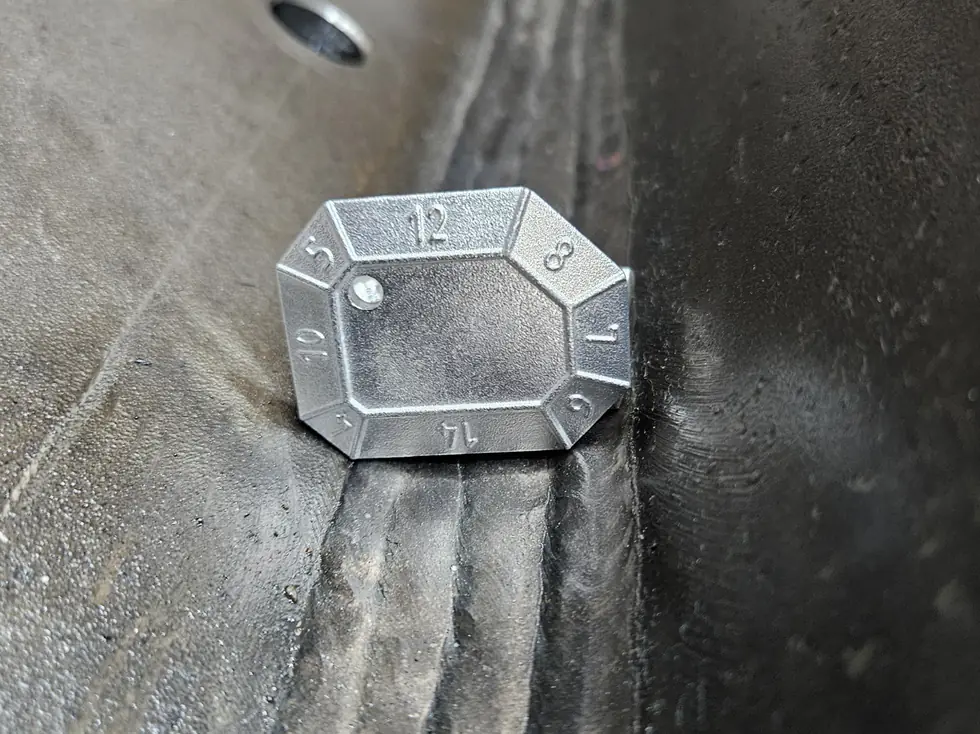
Weld map and weld log: traceability for every weld
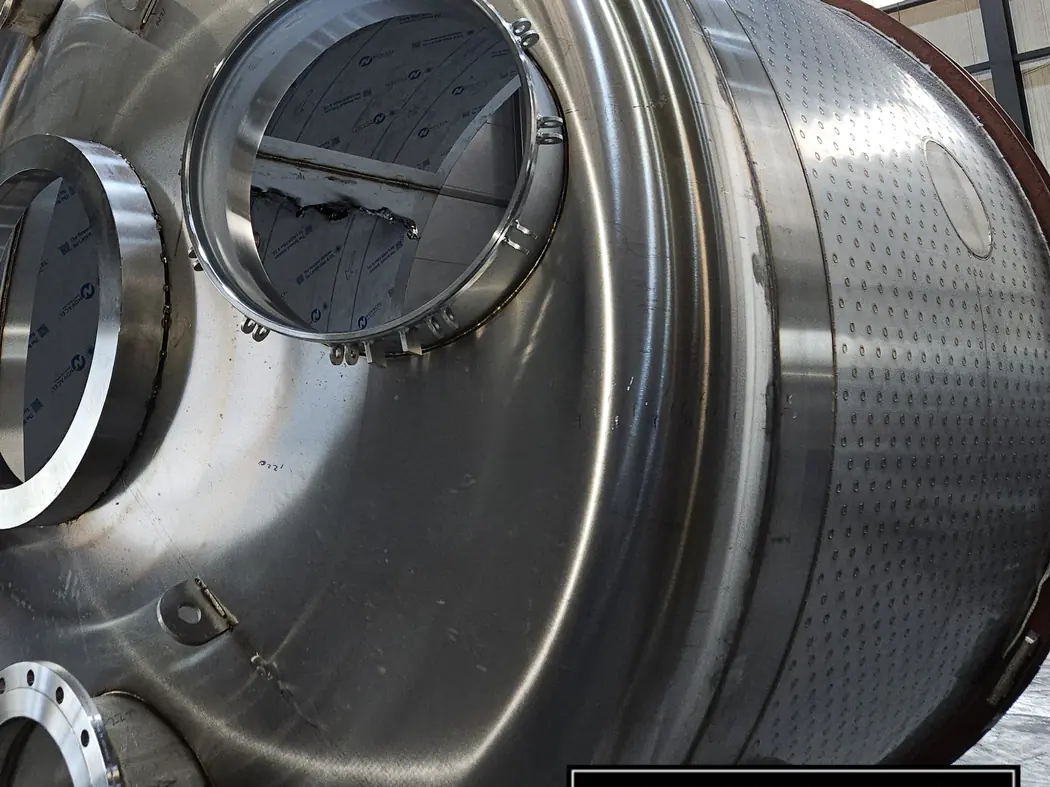
The weld map and the weld log together form the memory of your welding production. The weld map is the drawing on which every weld carries a unique number; the weld log is the list that records, per weld number, who made the weld, to which welding procedure specification, with which material and consumable, and which inspections were carried out with what result.
Without these two documents, traceability per weld is an empty promise. With a well kept map and log you answer any question from a client or notified body in minutes rather than days, and when a defect is found you can repair selectively instead of investigating broadly. This article covers what to record, how to set it up and which pitfalls to avoid.
Why traceability per weld
Traceability per weld earns its keep for three reasons. First, standards and contracts: quality assurance to ISO 3834-2 presumes records showing that qualified welders and approved procedures were used, and EN 1090-2 requires welder to weld traceability in the higher execution classes. For pressure equipment under PED 2014/68/EU, traceability is part of the technical documentation.
Second, control during the project: if a welder fails a requalification or an NDT result reveals a systematic defect, you want to know within the hour which other welds are affected. Third, limiting failure costs afterwards: in the event of damage or a claim years later, the log determines whether you can demonstrate precisely what happened or must fall back on assumptions.
The weld map: a number for every weld
The weld map is usually a simplified version of the construction drawing or an isometric on which all welds are numbered. Practical rules:
- Use one unambiguous, logical numbering scheme per drawing or spool, for example drawing number plus sequence number, and never renumber midway.
- Number site welds and repair welds too; a repair gets a recognisable suffix to the original number, for example R1.
- Keep the map current when the design changes: a deleted weld remains visible as deleted, so map and log stay consistent.
- Make sure the number can be found on the workpiece, by marking near the weld or a clear location description.
For piping the weld map is usually organised per isometric, for structural work per assembly drawing. The format is free, the requirement is clarity.
The weld log: what to record per weld
The weld log contains, per weld number, at least:
- The reference to drawing and position, and the joint type with size.
- The parent material with heat number, linked to the material certificate, and the consumable with batch.
- The applied WPS, backed by the procedure qualification to EN ISO 15614-1 or ASME IX.
- The welder or operator with stamp number and the ISO 9606-1 qualification covering the weld.
- The welding date and any preheat or heat treatment.
- The inspections performed per method (VT, PT, MT, UT, RT) with report number, date and result.
- The status: completed, accepted, repaired or deleted.
This creates a closed chain of material, procedure, person and evidence per weld. That chain is exactly what dossier reviews check.
Practical set up: digital and updated daily
A spreadsheet with fixed columns is sufficient for most projects; larger manufacturers use databases or welding management software. More important than the tool is the discipline: the log is updated daily by a designated person, usually the work planner or QC officer, from the day's production and incoming inspection reports.
Link the log to the inspection planning in the ITP: then every weld shows which examinations are still open and the NDT sampling extent can be steered demonstrably. Preferably let the log count percentages automatically, such as the share of examined welds per welder, so deviating welders are spotted early.
Common mistakes
These mistakes render a weld log worthless, however tidy it looks:
- Filling it in retrospectively at the end of the project, with reconstructed rather than recorded data.
- Not capturing heat numbers at the moment of processing, making the link to certificates impossible later.
- Not entering repairs as separate lines, leaving repair and re inspection invisible.
- Recording welders working outside their qualification range without the log flagging it.
- Several versions of the log in circulation, with no single owner.
Findings in the log that fail the requirements should be handled through a non conformity report; see our article on the NCR.
Its place in the final dossier
Weld map and weld log are the pivot of the handover dossier. In the MRB or MDR they connect the material certificates, the qualifications and the inspection reports into one verifiable whole: whoever looks up a weld number finds all related documents through the log. Our article on the MRB and MDR covers the wider dossier.
Our advice: treat the weld map and log as leading documents from day one, not as after the fact administration. Appoint an owner, update daily and check completeness weekly. The hours spent pay for themselves at the first dossier review or the first traceability question.
Frequently asked questions
The obligation follows from standard and contract. ISO 3834-2 and EN 1090-2 in the higher execution classes presume traceable welding records, and for pressure equipment traceability is part of the technical documentation. Even where not strictly required, the log is the accepted means of evidence.
For traceability per weld, yes. For large series of identical welds, standards and clients sometimes allow group registration, for example per assembly or work order. Always agree such a simplification with the client in writing beforehand, never tacitly.
Appoint one owner, usually the work planner or QC officer. Welders supply the daily data, for example via a day sheet or stamp card, but a central owner safeguards completeness, qualification ranges and the link to inspection reports.
Give the repair its own line with a recognisable number, for example the weld number with suffix R1. Record the repair procedure, the welder, the date and the full re inspection. The original result stays visible, keeping the history complete.
More from the knowledge centre
Have a welding or QA/QC question?
Ask the DEHAAS Welding & Quality Assistant, have your case reviewed by a specialist, or call us directly.