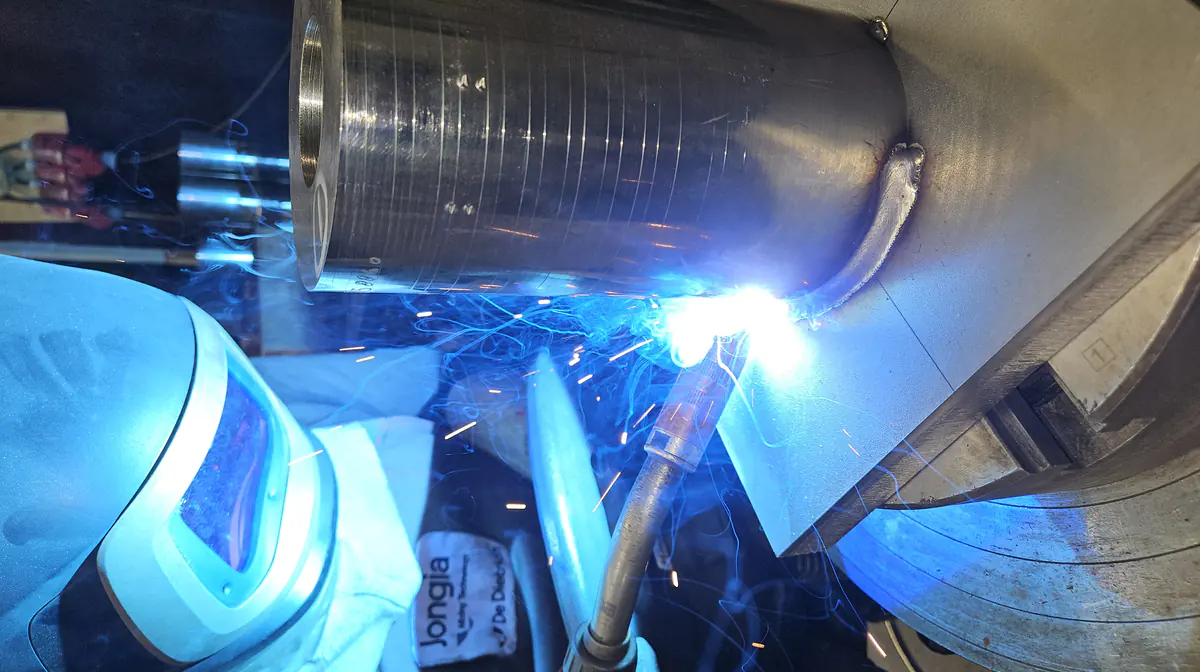
ASME IX vs EN ISO 15614-1: two systems for procedure qualification
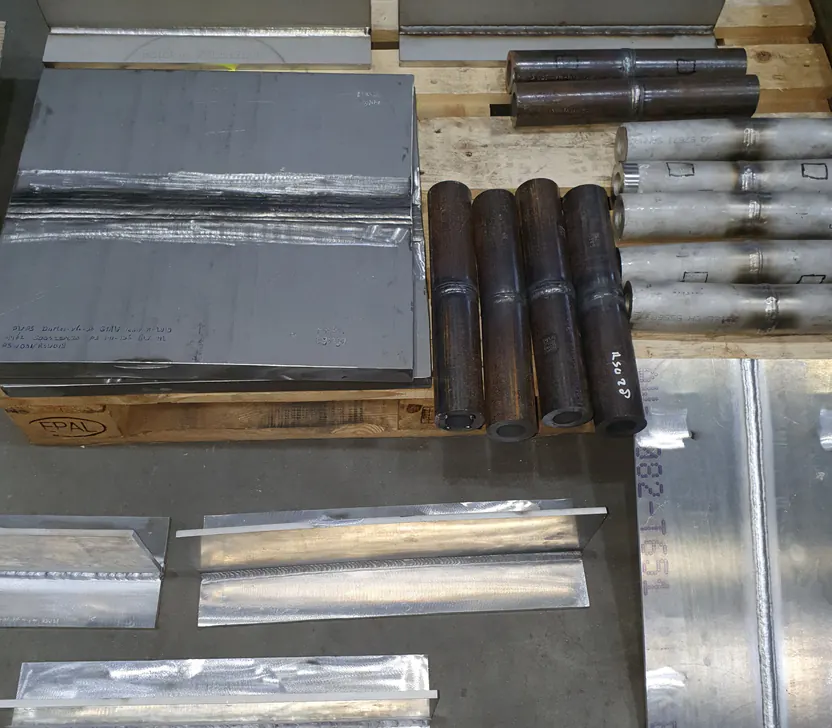
If you weld for different markets, sooner or later you will deal with two systems: ASME Section IX and EN ISO 15614-1. Both define how a welding procedure is qualified, but they differ in structure, testing and range of qualification. An ASME IX qualification is not automatically valid under ISO 15614-1, nor the other way round. That misunderstanding regularly costs time and money.
This article compares ASME IX and ISO 15614-1 side by side: document structure, classification of variables, testing, qualification ranges and when each system applies. For the basic concepts, see our article on the difference between a WPS and a WPQR.
Structure: PQR, WPS and WPQ versus WPQR and WPS
ASME Section IX is part of the Boiler and Pressure Vessel Code and uses three core documents. The WPS is the production instruction. The PQR records the actual values used to weld the test coupon and the test results obtained. The WPQ qualifies the welder; for an operator the record is a WOPQ.
In the European system the test record is the WPQR, based on a preliminary pWPS and tested to EN ISO 15614-1. Welders are qualified separately to ISO 9606-1 and operators to ISO 14732.
The main organisational difference lies in responsibility. Under ASME IX the manufacturer certifies its own PQR and remains responsible for it. Under ISO 15614-1 the test is normally witnessed by an examiner or examining body, who also signs the WPQR. For pressure equipment under PED 2014/68/EU, approval by a notified body or recognised third-party organisation is mandatory from category II upwards.
Essential, supplementary and non-essential variables
ASME IX classifies welding variables per process in the tables of article QW-250:
- Essential variables affect mechanical properties; changing one requires a new PQR.
- Supplementary essential variables apply only when the construction code specifies impact toughness.
- Non-essential variables may be changed in the WPS without requalification, provided the WPS is revised.
EN ISO 15614-1 has no separate supplementary category but defines a range of qualification per variable, with tighter limits on heat input and position once impact or hardness requirements apply. Material groupings are not interchangeable either: ASME uses P-Numbers, F-Numbers and A-Numbers, whereas ISO uses the ISO/TR 15608 groups and European consumable classifications.
Level 1 and level 2 in ISO 15614-1
Since the 2017 edition, EN ISO 15614-1 has two levels. Level 1 is based on ASME IX requirements, with fewer tests and wider ranges. Level 2 follows the earlier European edition, including volumetric testing, macro examination and hardness testing, and is generally the level required by EN 1090-2 and many client specifications. Level 2 covers level 1, but not the reverse. An ISO level 1 qualification is still not an ASME qualification, as document format, material grouping and several variables differ.
Testing: what is examined?
For a groove weld, ASME IX basically requires two tension tests and four guided bend tests, with impact tests only where the construction code demands them. NDT of the test coupon is not a mandatory part of procedure qualification. EN ISO 15614-1 level 2 requires for a butt weld:
- 100 per cent visual, volumetric and surface testing
- two transverse tensile tests and four bend tests
- a macro examination
- hardness testing, except for sub-group 1.1 and group 8 among others
- impact tests where the application or specification requires them
Imperfections are assessed against ISO 5817, generally level B with some exceptions at level C.
Qualification ranges compared
- Thickness: ASME IX uses the QW-451 tables and can give a wide range for thick coupons. ISO 15614-1 level 2 sets an upper limit of 2t for multi-run welds, with lower limits per thickness band.
- Diameter: under ASME IX, pipe diameter does not limit the procedure qualification; it only matters for welder qualification. ISO 15614-1 does limit diameter.
- Position: in principle not an essential variable for the procedure in either system, with conditions once impact requirements apply.
- Material: P-Numbers and ISO groups partly overlap, but coverage rules differ.
Always check an existing qualification against the standard you must deliver to. For ISO, see our article on checking the validity of a WPQR.
ASME IX or ISO 15614-1: which system when?
The choice is rarely free; the applicable code, client specification or market decides.
- ASME IX: pressure vessels, boilers and piping to ASME codes such as Section VIII or B31.3, and projects under US or international oil and gas specifications.
- EN ISO 15614-1: steel structures under EN 1090-2, pressure equipment under the PED with harmonised standards such as EN 13445, and most European client specifications.
- Both: products delivered inside and outside Europe. A combined test programme can cover both with one coupon, provided all tests and records of both systems are included.
An ASME qualification is not automatically sufficient for pressure equipment under the PED; the notified body assesses whether it demonstrably meets the essential safety requirements.
Frequently asked questions
Not automatically. EN 1090-2 refers to EN ISO 15614-1 and related standards. An ASME PQR can serve as a starting point, but testing and records must demonstrably meet ISO requirements, which in practice often means a supplementary test.
Section IX itself does not require it: the manufacturer is responsible and certifies the PQR. The construction code or client may, however, require an Authorized Inspector or other third party.
No, neither has an expiry date. Welder qualifications do lapse if the process is not used for an extended period, and ISO 9606-1 sets fixed rules for prolongation.
Yes, if the programme is designed for both from the outset: all ISO 15614-1 level 2 tests, the records ASME IX requires, and variables within both ranges. The PQR and WPQR are then issued as separate documents.
More from the knowledge centre
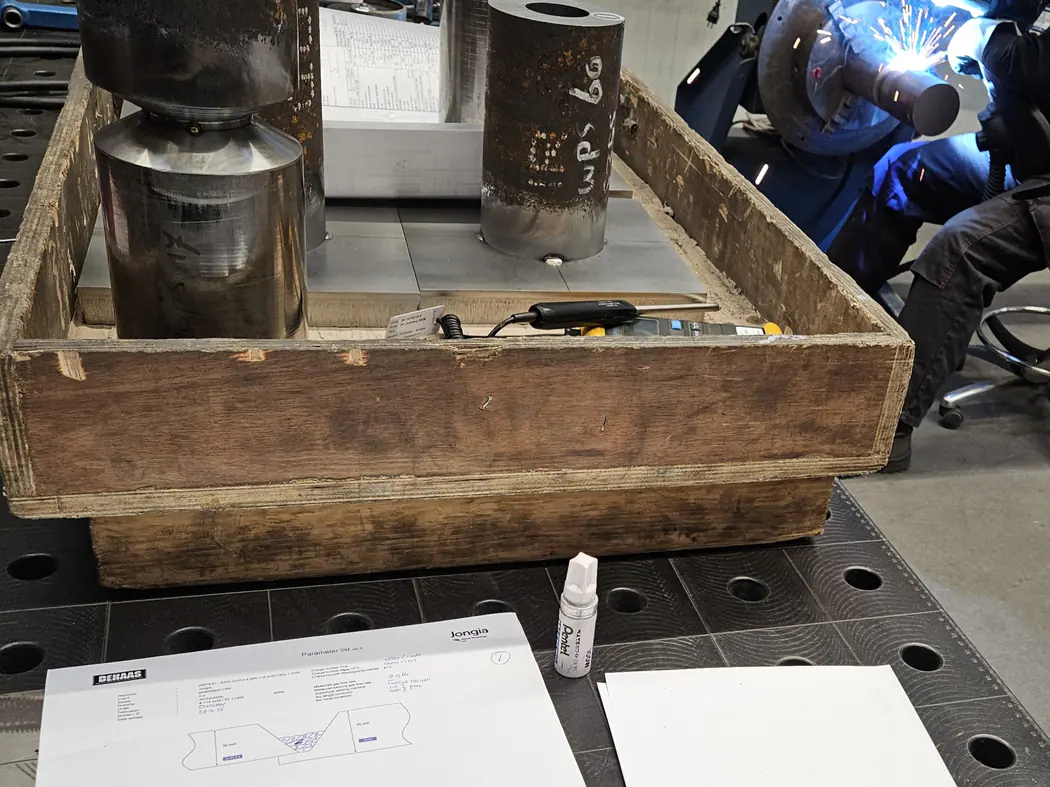
Have a welding or QA/QC question?
Ask the DEHAAS Welding & Quality Assistant, have your case reviewed by a specialist, or call us directly.