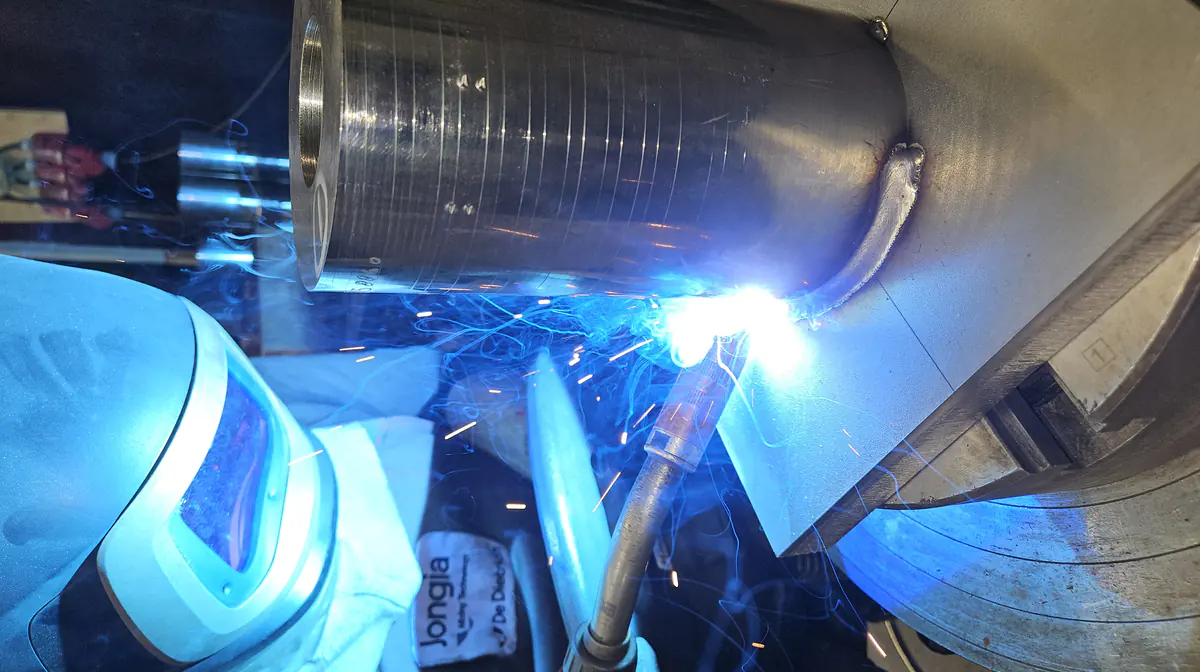
Essential variables: what invalidates a qualification
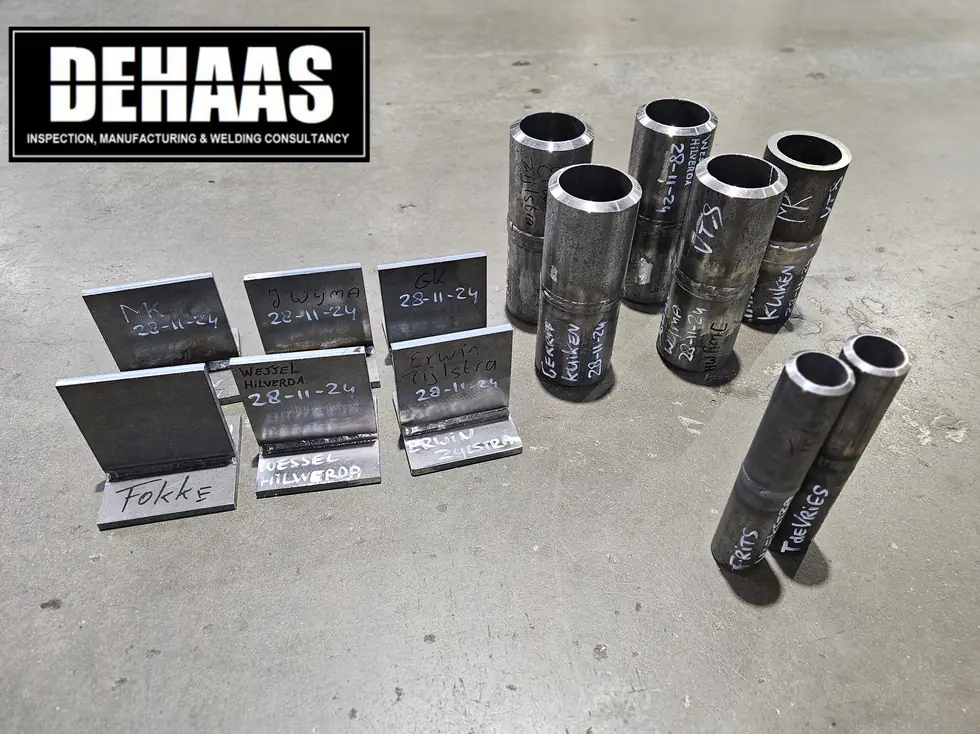
A welding procedure qualification is not open ended. It covers a range, and as soon as a parameter falls outside that range the welding is formally unqualified. The parameters concerned are called essential variables, and that list is precisely what is least well known in practice.
This article lists the key variables for the European and American systems and identifies the changes that most often break a qualification unnoticed.
What an essential variable is
An essential variable is a parameter whose change beyond the permitted range affects joint properties enough to require requalification. Alongside these are supplementary essential variables, which only apply where impact values or hardness are specified.
Non-essential variables may change, but the WPS must then be updated. That is often forgotten: a WPS that does not match practice is also a finding, even where the qualification itself is valid.
The key ones in ISO 15614-1
The process to ISO 4063 is essential: moving from 135 to 136 requires a new qualification. The material group to ISO/TR 15608 is essential, with limited coverage between groups. Thickness and pipe diameter are essential within defined ranges.
Also essential: welding position, filler type, root treatment with or without back gouging or backing, post weld heat treatment, and current type and polarity. Where impact requirements apply, heat input and interpass temperature join the list. See qualification range for thickness and diameter.
How ASME IX differs
ASME Section IX splits variables per process into essential, supplementary essential and nonessential, and classifies base materials by P number rather than material group. Supplementary essential variables apply only where impact testing is required.
A practical difference: ASME generally allows wider thickness ranges and is more lenient on position, while ISO is stricter on heat input. A qualification from one system therefore does not automatically cover the other. See ASME IX versus ISO 15614.
The five most missed changes
First, a different wire manufacturer or wire type within the same strength class, which does count where impact requirements apply. Second, moving from back gouging to single sided welding with backing. Third, a different gas composition, for example from 82/18 to 92/8.
Fourth, welding outside the qualified position, for instance PF instead of PA. And fifth, a thickness or diameter just outside the range, which happens most on small pipe diameters. Each of these five recurs regularly in audits.
Frequently asked questions
Where no impact requirements apply, usually yes within the same classification. Where impact requirements do apply, the consumable is a supplementary essential variable and you must verify the new wire is covered. Transfer the classification literally into the WPS.
No, the welder is not a variable of the procedure qualification. That welder must however be qualified to ISO 9606-1 for the relevant range. These are two separate routes that are frequently confused.
That welding is then formally unqualified. Disposition runs through an NCR: assess whether the joint can still be shown to comply, possibly with additional examination, and in the worst case redo it under a valid procedure.
No. A change to a non-essential variable only requires a revision of the WPS. Only essential variables outside range require new or supplementary qualification. Knowing the distinction saves many unnecessary test coupons.
More from the knowledge centre
Have a welding or QA/QC question?
Ask the DEHAAS Welding & Quality Assistant, have your case reviewed by a specialist, or call us directly.