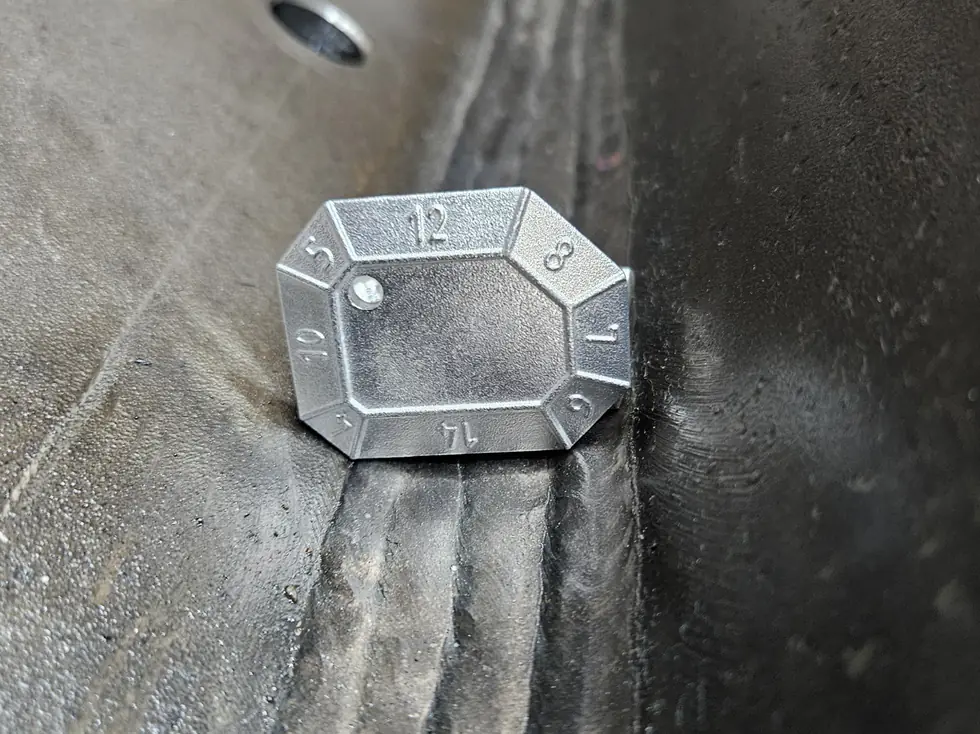
Ferrite measurement in stainless and duplex weld metal
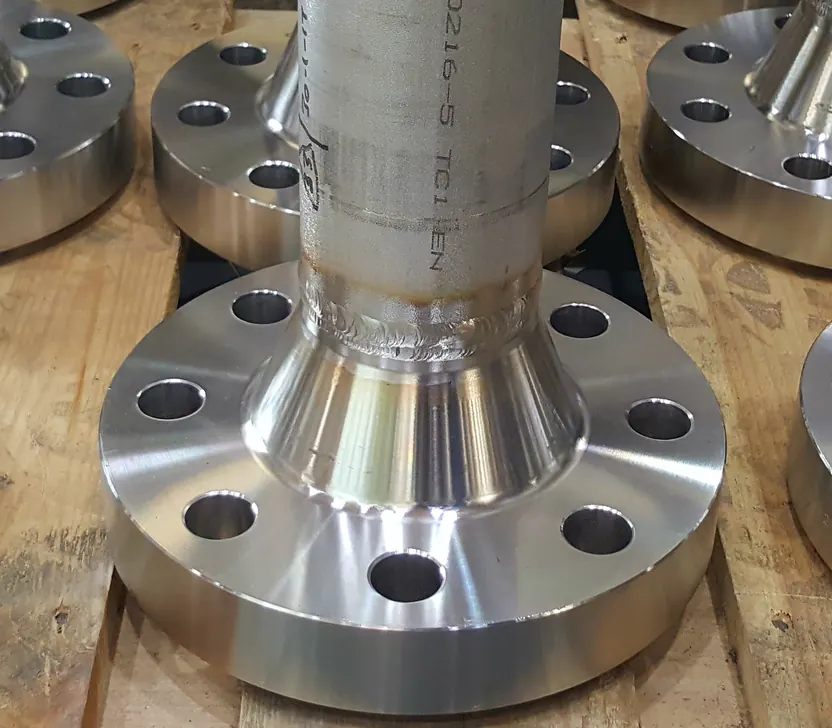
Ferrite content in stainless weld metal is one of the few properties you can measure on the shop floor in a minute that says something directly about the reliability of the weld. Too little ferrite means cracking risk, too much means loss of toughness and corrosion resistance.
This article explains where those limits come from, how to measure correctly and which requirements occur in practice.
Why ferrite matters
In austenitic stainless steel a small amount of delta ferrite is deliberately introduced into the weld metal, typically 3 to 10 FN. That ferrite absorbs sulphur and phosphorus and so prevents hot cracking during solidification. Fully austenitic weld metal is crack sensitive.
Excess ferrite has drawbacks, however: at prolonged service temperatures above roughly 300 degrees, sigma phase can form and embrittle the material, and in cryogenic service ferrite costs notch toughness. Ferrite is also magnetic, which is undesirable in some applications.
In duplex it is the heart of the matter
Duplex stainless owes its properties to a balance of roughly 50 percent austenite and 50 percent ferrite. Welding disturbs that balance: rapid cooling leaves too much ferrite, slow cooling too little.
ISO 17781 and most project specifications therefore require ferrite between roughly 30 and 70 percent in weld metal and heat affected zone. Outside that window, corrosion resistance and toughness fall even though the weld looks sound. See welding duplex.
Measuring with the ferritescope
The ferritescope works by magnetic induction: the probe measures how strongly the material responds magnetically and converts that into a ferrite number FN or volume percent. The instrument is calibrated against certified reference samples before each measurement session.
Measure on a ground, clean, flat surface. Roughness, heat tint and slag residues give low readings. Take readings at several points and average them, because ferrite varies per run and differs between cap and root.
What values to expect
In 308L and 316L weld metal the content is typically between 5 and 12 FN. Specifications often set a minimum of 3 FN against hot cracking and a maximum of 10 or 12 FN for elevated temperature service. Cryogenic service sometimes carries a tighter maximum.
Where readings deviate strongly, look at the consumable, at dilution with the parent material and at heat input. Excessive dilution with carbon steel lowers both ferrite number and corrosion resistance. See dissimilar metal welds.
Frequently asked questions
FN, the ferrite number, is a standardised scale determined magnetically that tracks volume percent closely at low contents. Above roughly 10 they diverge. Always state which unit you report, because a requirement of 10 means something different in FN than in percent.
Yes, and in duplex that is done, but in austenitic parent material the content should be close to zero. A reading there can indicate deformation martensite from cold work or a wrongly supplied grade.
Strongly. The cap cools differently from the root and contains less dilution with parent material. Measure to a fixed, documented routine and report where readings were taken.
First check the consumable and the batch used. Then dilution: excessive mixing with a low alloy parent material reduces ferrite. Correct it with a consumable of higher ferrite number or by reducing dilution.
More from the knowledge centre
Have a welding or QA/QC question?
Ask the DEHAAS Welding & Quality Assistant, have your case reviewed by a specialist, or call us directly.