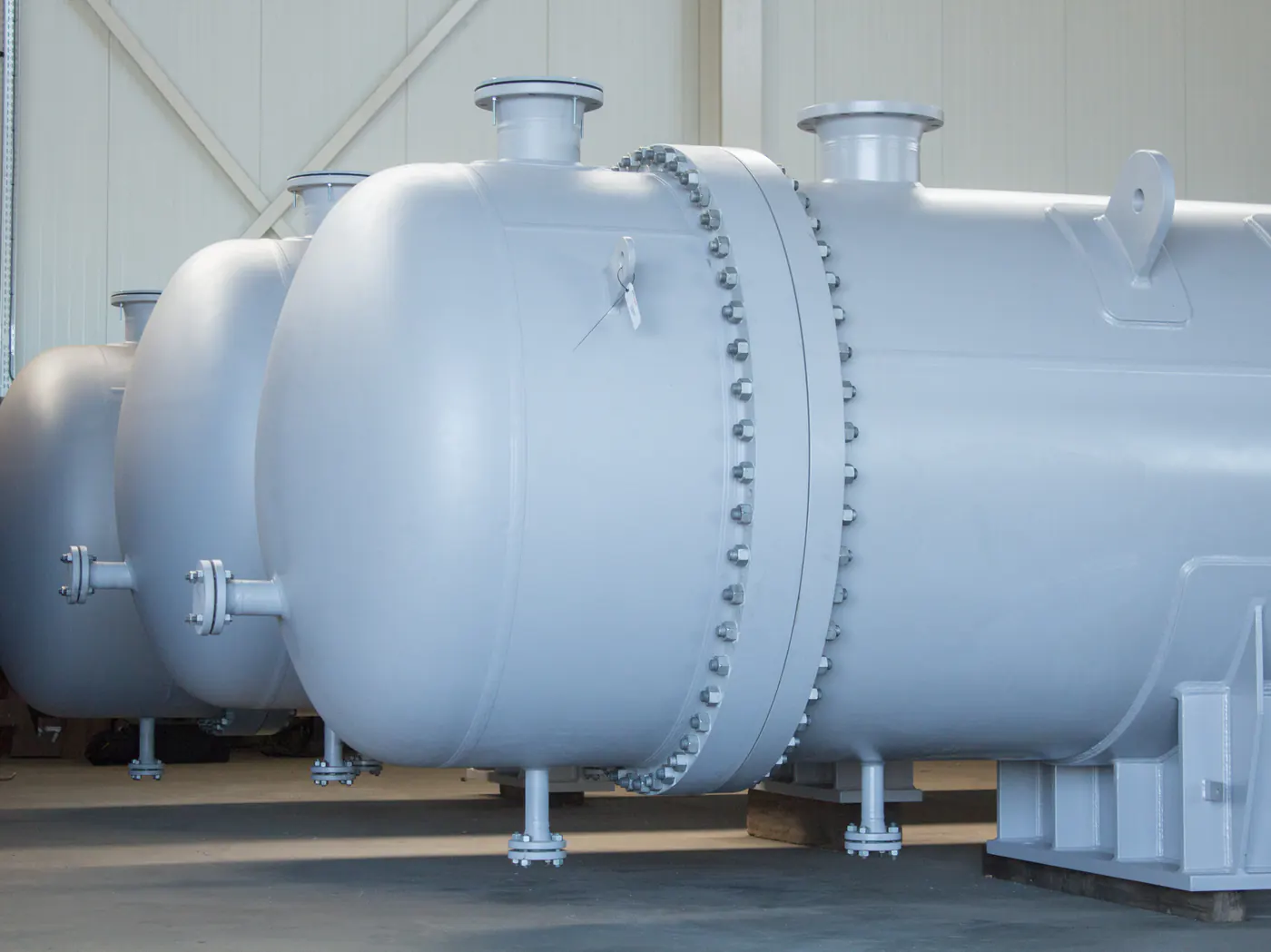
EN 13445: unfired pressure vessels
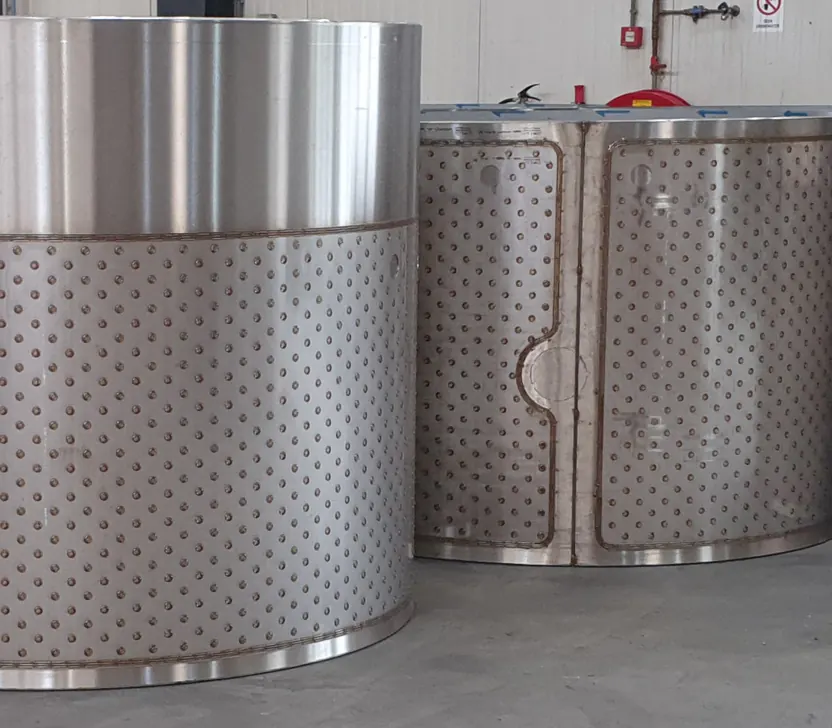
EN 13445 is the harmonised European standard for unfired pressure vessels. Designing and building to it gives presumption of conformity with the PED, which considerably simplifies the route to CE marking.
The standard has several parts, of which part 3 covers design, part 4 manufacture and part 5 inspection and testing. This article focuses on the choices in part 5 that most strongly drive the cost of a vessel.
Testing groups and joint coefficient
EN 13445-5 defines testing groups 1 to 4, which set the extent of non-destructive testing. Each group carries a joint coefficient: group 1 with 100 percent volumetric examination gives 1.0, group 3 gives 0.85 and group 4 gives 0.7.
That coefficient feeds directly into the wall thickness calculation. A lower coefficient means a thicker wall, so more material, more weld metal and more weight, but lower examination cost. That trade-off belongs in the engineering phase, not after the plates are rolled.
What the choice means in practice
On a small vessel in thin material, extra wall thickness is cheap and examination relatively expensive; a lower testing group often wins there. On a large vessel in heavy material the reverse applies: every millimetre of wall is significant money and 100 percent examination pays.
The choice is also constrained by material and service conditions. For certain steel grades, thicknesses and at low temperatures the standard prescribes a minimum testing group. Check those constraints first, then make the economic trade-off.
Manufacture under part 4
Part 4 governs execution: permitted joint forms, alignment, tolerances on roundness and the requirements for procedure and welder qualification. Post weld heat treatment is also here, with the thicknesses and grades above which stress relief is required.
Qualification runs through EN ISO 15614-1 at level 2, with notified body approval from category II. See PED and welding and pressure equipment.
The relationship with AD 2000
In Germany and with German customers AD 2000 is often applied. Both lead to PED conformity, but the design rules, testing group classification and material requirements differ. A vessel cannot be built half under one and half under the other.
If you serve both markets, record per project which standard governs and ensure qualifications and material match it. Switching afterwards generally means starting again.
Frequently asked questions
No. The PED is mandatory; EN 13445 is one way to comply. You may choose another basis, but then you must demonstrate compliance with the essential safety requirements yourself, which is considerably more work.
That is a design decision based on material, thickness, service temperature and economics. Start with the constraints in the standard, which exclude some groups, and then weigh wall thickness against examination cost.
EN 13445-5 permits mechanised UT under conditions as an alternative to radiography. The set-up must be qualified for the weld configuration concerned. See phased array and TOFD.
That follows from part 4, based on steel grade and wall thickness, and sometimes from service conditions such as sour service. The cycle must be recorded with calibrated thermocouples. See PWHT.
More from the knowledge centre
Have a welding or QA/QC question?
Ask the DEHAAS Welding & Quality Assistant, have your case reviewed by a specialist, or call us directly.