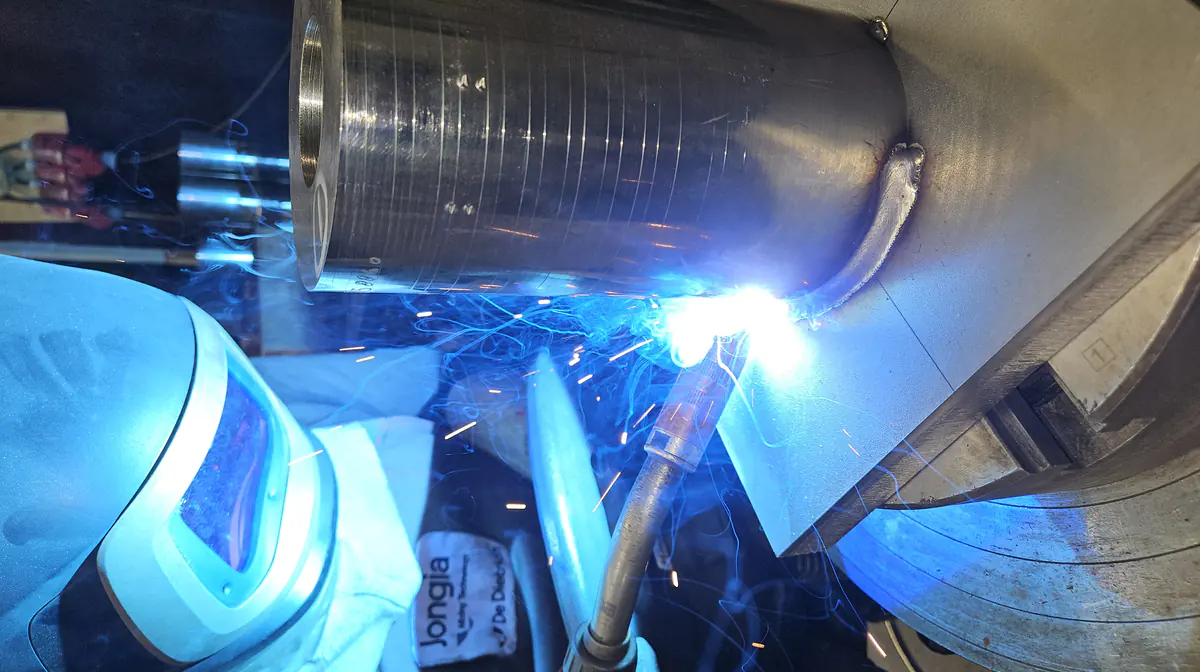
Adopting a WPQR from a third party
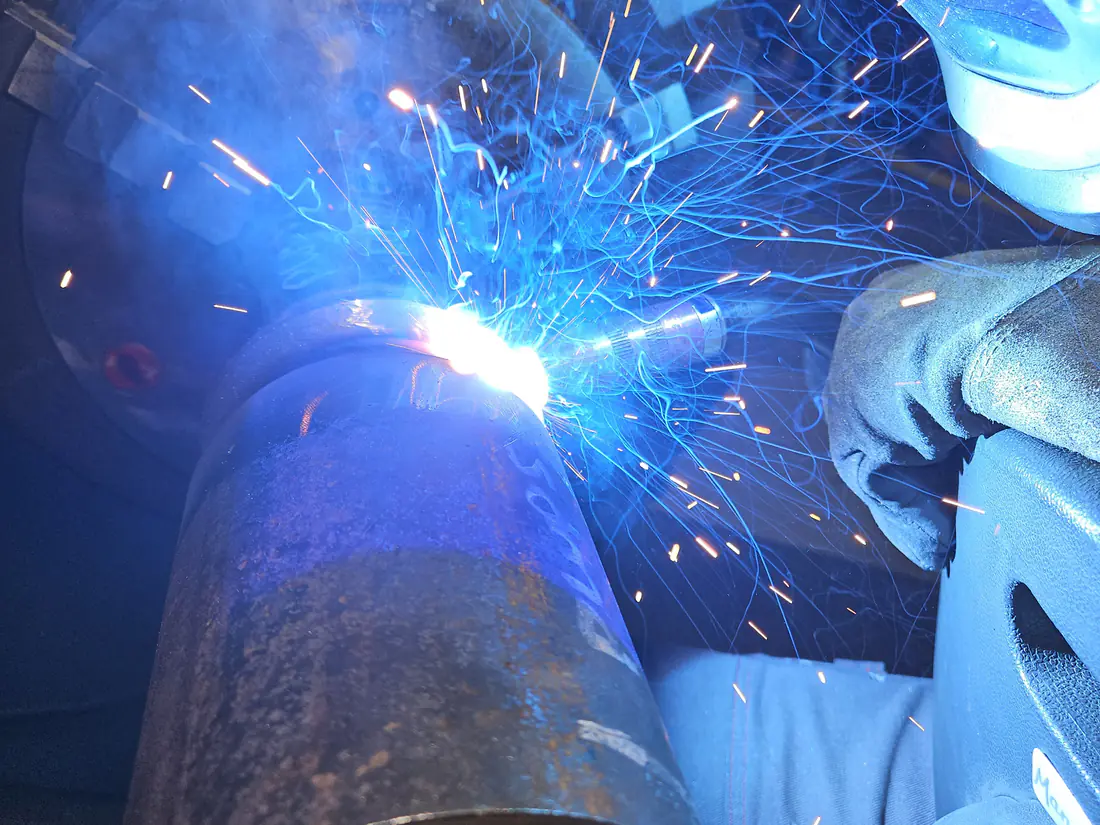
Qualification costs money and time, so the temptation to use an existing WPQR from a supplier, a sister company or a previous employer is strong. Sometimes it is permitted, more often it is not, and the difference lies in who is responsible for welding coordination.
This article explains the conditions under which adoption is allowed and where it falls down in practice.
The starting point: in the manufacturer's name
EN ISO 15614-1 assumes the qualification is held by the manufacturer performing the production welding. The reason is that the qualification demonstrates not only the parameters but also that this company, with this equipment and under this welding coordination, can produce that joint.
Adoption is therefore not an administrative act. It requires the receiving party to demonstrably work under the same welding coordination, or the conditions to be demonstrably equivalent.
When it can be done
Within one company with multiple sites a WPQR can usually be shared, provided welding coordination is centrally organised and that is recorded in the quality system. That is common in groups with a shared welding department.
On acquisition or merger the qualification can transfer, provided organisation, personnel and equipment remain essentially the same. Record that in a document describing the continuity, because an auditor will ask for it.
When it cannot
Using a supplier's WPQR for your own production welding is not permitted, even with identical material and wire. The same applies to a qualification a contract welder brings from a previous employer.
For pressure equipment it is stricter still: the notified body must have approved the qualification in the manufacturer's name. A WPQR carrying another company name is rejected there without discussion. See PED and welding.
The alternative: qualify intelligently
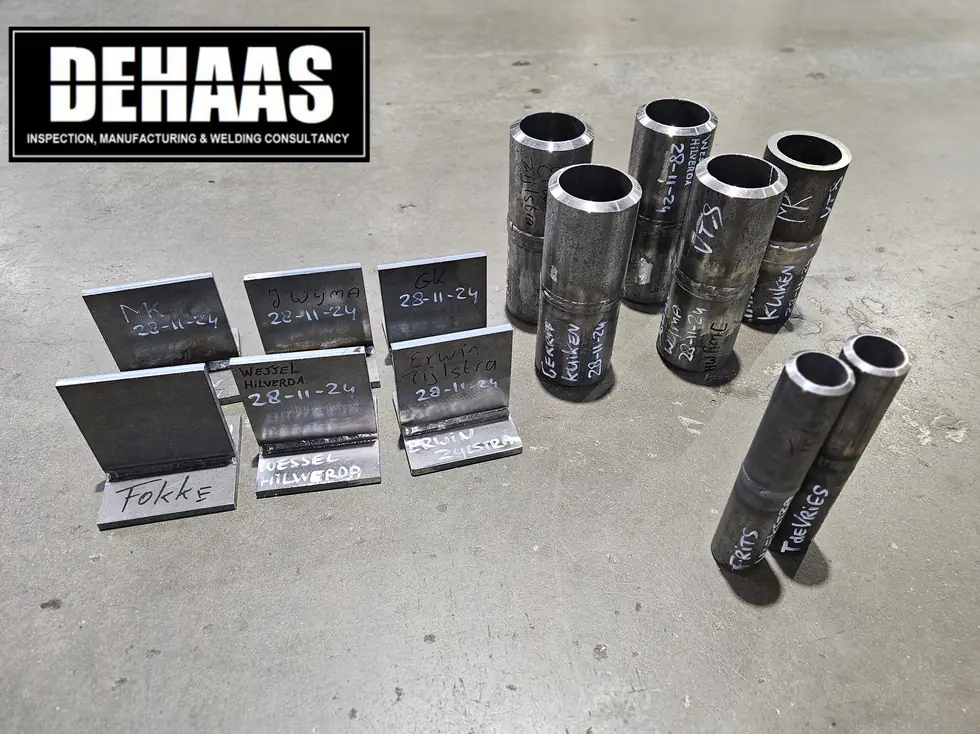
Rather than adopting an existing WPQR it is often cheaper to weld a small number of well chosen coupons that together cover the whole work package. Selecting the coupon at the right thickness and material group exploits the qualification range fully.
Three to six qualifications cover almost everything at many companies. DEHAAS draws up such a qualification plan so that no coupon has to be welded per order. See WPQR qualification.
Frequently asked questions
Yes, if welding coordination is demonstrably organised centrally and that is documented in the quality system. The allocation of responsibilities to ISO 14731 must then describe who carries which responsibility at which site.
Parties offering qualifications exist, but their value depends entirely on whether it can be issued in your name and whether your inspection body accepts it. Verify that beforehand; afterwards it is money wasted.
A welder qualification to ISO 9606-1 is personal and travels with the welder, provided validity has been maintained. That is therefore different from a WPQR. The qualification does need periodic confirmation. See validity of welder qualifications.
A WPQR to ISO 15614-1 has no expiry date, as long as process, materials and conditions remain the same and the manufacturer controls the welding system. That is an important difference from welder qualification, which does require periodic confirmation.
More from the knowledge centre
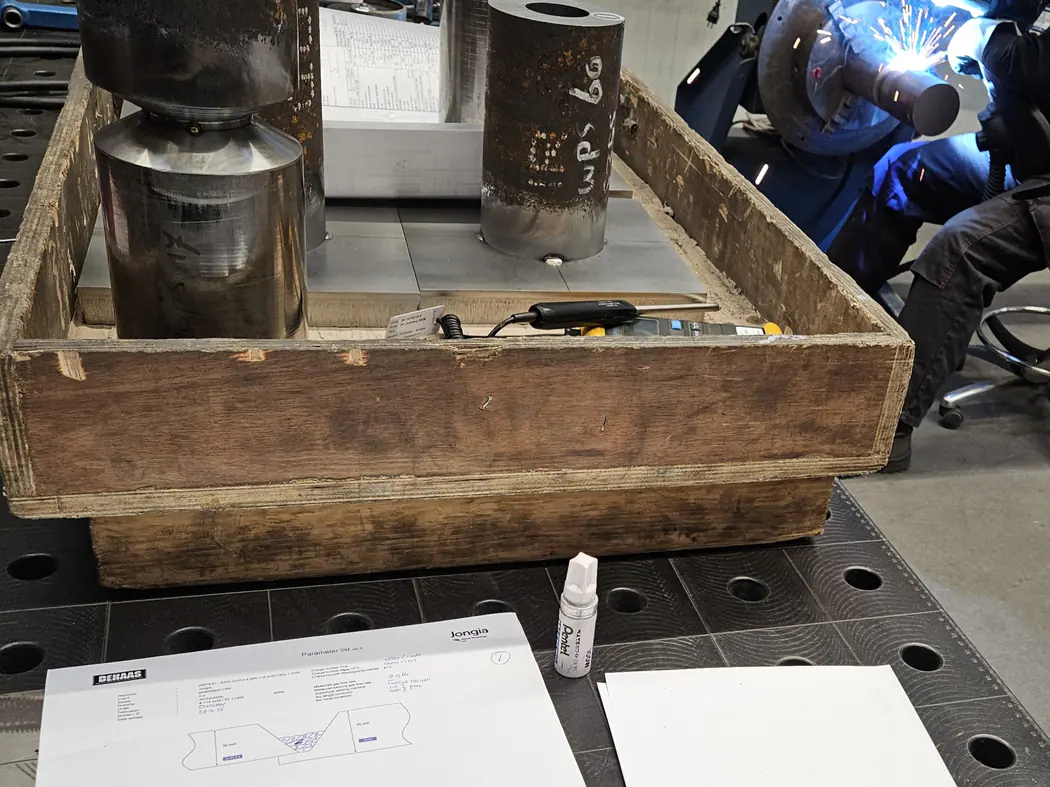
Have a welding or QA/QC question?
Ask the DEHAAS Welding & Quality Assistant, have your case reviewed by a specialist, or call us directly.